Fat Transfer

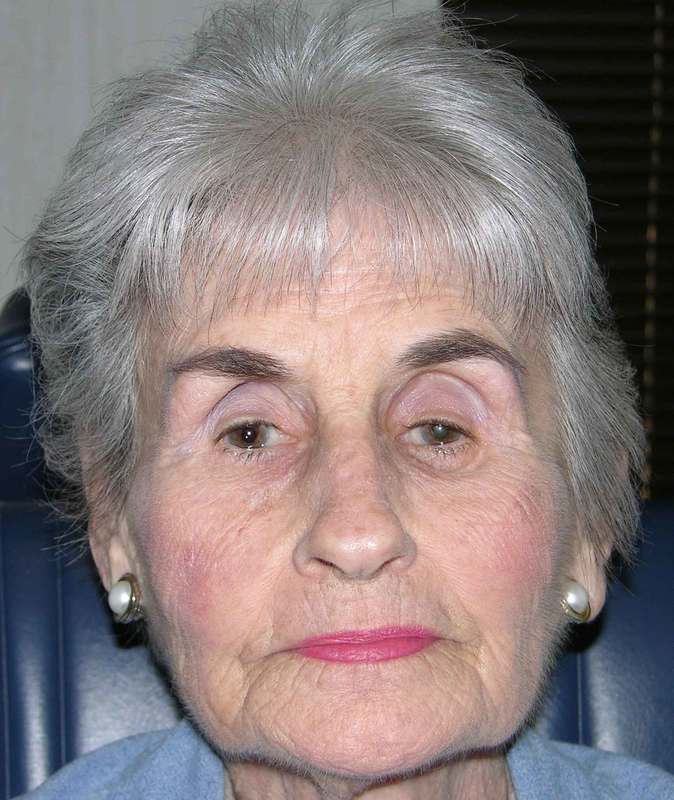
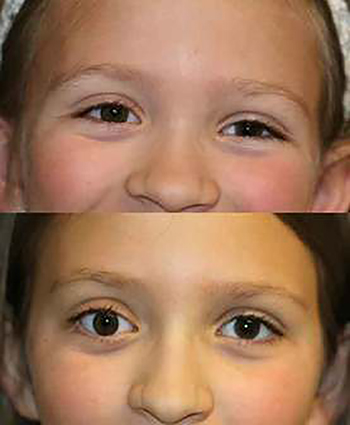
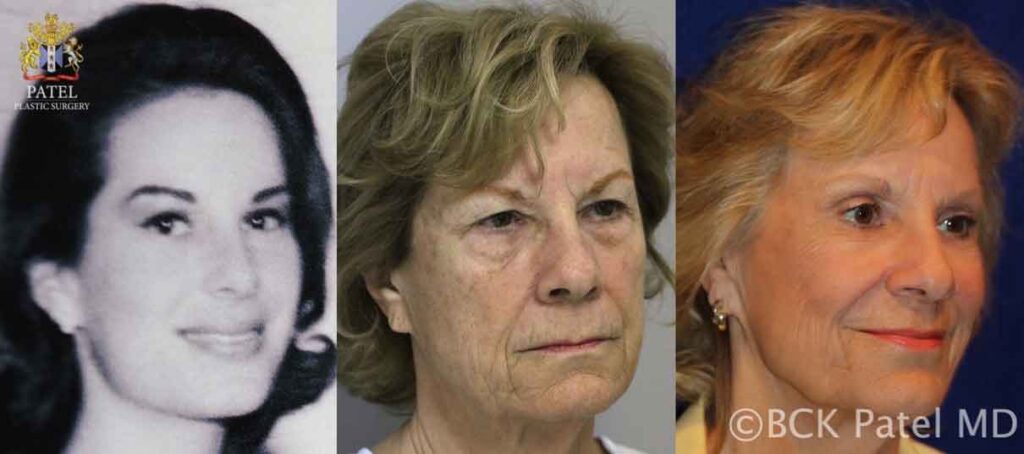
Fat atrophy can be seen in many parts of the face, including, as seen here in the temples and in the periorbital region with the deep hollowing of the eyes with exposure of the orbital bones (Antonio to Bassanio in the Merchant of Venice: “To view with hollow eye and wrinkled brow...”)

What is Fat Transfer?

Facial aging is a three-dimensional change: looking at our appearance and photos from younger days, the smooth (and relatively full) contours impart a youthful appearance. Contrary to previous beliefs, it is not only the skin that ages, but also the deeper structures including the fatty layer, the muscles, the fascia and the bones! The modern aesthetic surgeon addresses all of these layers. To that end, one can create such fullness and smoother contours with implants, but also with fillers and fat. Although fat grafts have been performed for many decades, it is only recently that we have techniques that allow finesse and longevity to fat grafts, without the “over-filled” appearance. ​

Am I a Candidate for Fat Transfer?

Fat grafts are often used in reconstructive as well as cosmetic cases. There is evidence that not only does fat grafting create fullness, but it also improves the texture of skin. Therefore, fat grafting is almost routinely use in facelift surgery. Furthermore, fat grafting improves the more acute lines of transition (nasolabial folds, melolabial folds, lower eyelid grooves, frown lines, etc) on the face. Depressions caused by animation or scarring can be improved. Even the fullness that we have under our brows decreases with age, giving us a more skeletonized look: fat grafting here restores the firmness and curvature of youth. So you may well be a candidate for fat transfer. ​

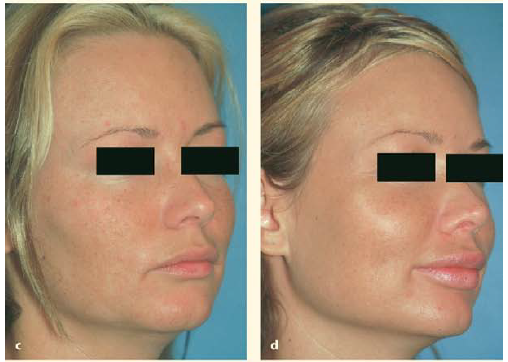
Fat grafts are especially useful to re-create the fullness of youth in the cheeks and when combined with properly planned facelift and necklift procedures
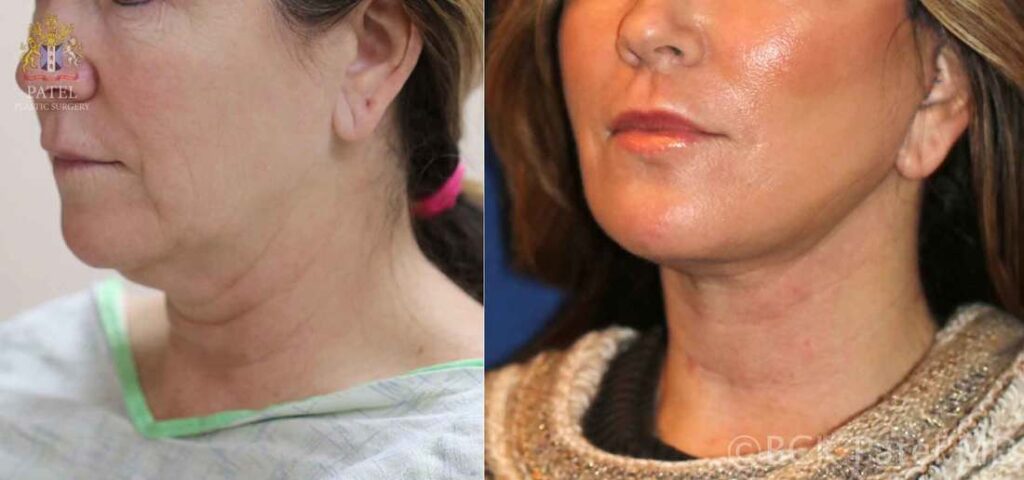
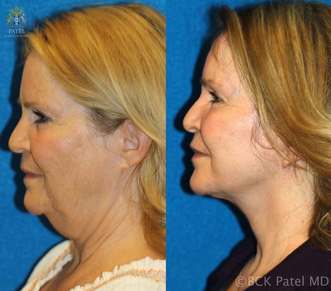
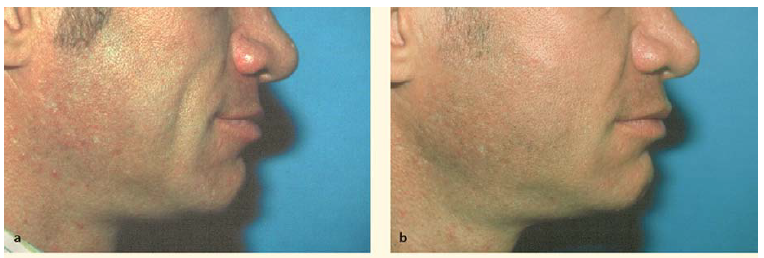
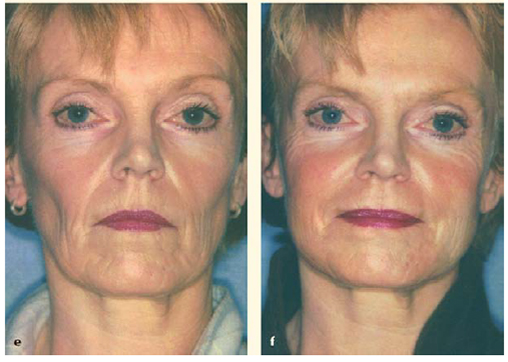
Face and necklift combined with fat grafts to recreate cheek fullness and fill the grooves along the jawline yield some of the best results
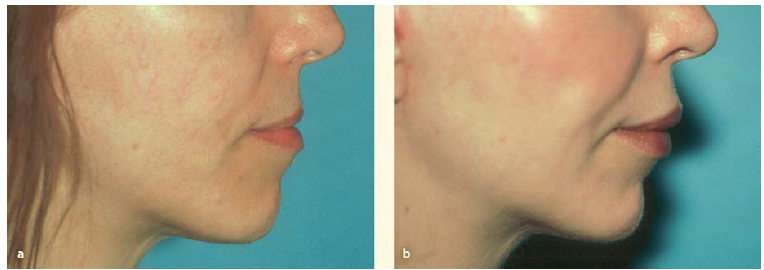
Fat grafting of the cheeks, nasolabial folds

Am I a Candidate for Fat Transfer?

Fat grafts are often used in reconstructive as well as cosmetic cases. There is evidence that not only does fat grafting create fullness, but it also improves the texture of skin. Therefore, fat grafting is almost routinely use in facelift surgery. Furthermore, fat grafting improves the more acute lines of transition (nasolabial folds, melolabial folds, lower eyelid grooves, frown lines, etc) on the face. Depressions caused by animation or scarring can be improved. Even the fullness that we have under our brows decreases with age, giving us a more skeletonized look: fat grafting here restores the firmness and curvature of youth. So you may well be a candidate for fat transfer. ​

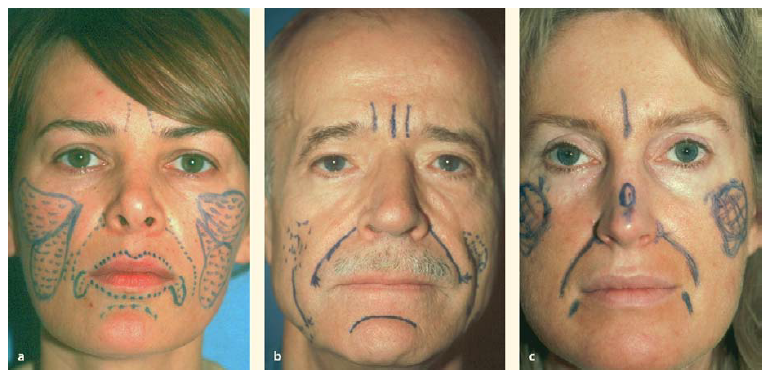
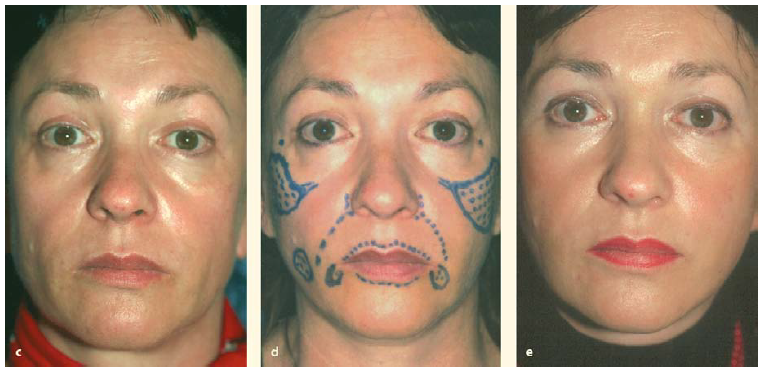
Proper assessment of the anatomical changes and accurate marking allows us to create a three-dimensional improvement in the facial contours
Facial markings and appropriate fat grafting gives a nice improvement in facial contours

How is a Fat Grafting Performed?

It may safely be stated that almost everyone has an area (or two) where the loss of some fat would not be a great inconvenience. To that end, and also depending upon some other factors, a site or sites may be chosen from where fat is harvested.

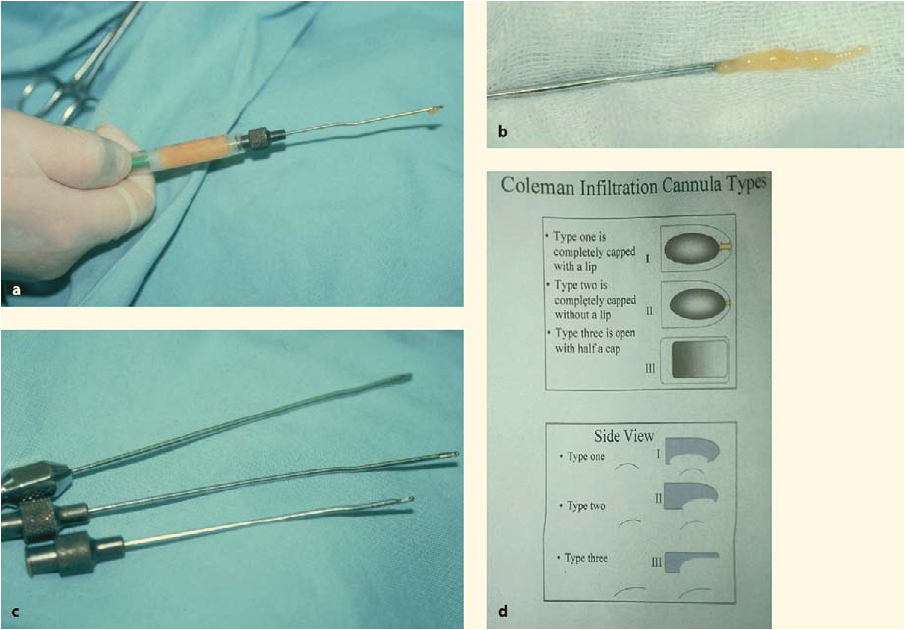
Modern techniques with proper instruments and methods allows good survival of transplanted fat

The very basics of fat grfting involve:

  1. Small incisions at the donor site (around the umbilicus, for example) to allow infusion of tumescent fluid (this fluid reduces bruising and also provides anesthesia).
  2. Fat is obtained and prepared by removing blood products.
  3. Transfer of fat is performed with small cannulae and small incisions.
  4. The incisions are closed with dissolving sutures.

Will the body not absorb the transferred fat?

There has been much debate and discussion in plastic surgery about the survival of fat and how more of it may be made to survive. To that end, using the latest techniques of atraumatic harvesting and transfer of fat, we can now confidently state that at least 50% of the transferred fat will survive. Certainly, in the beginning the fat grafting together with the attendant swelling can make the grafted areas look “over-filled”. Once the swelling settles and the proportion of fat absorption occurs, it is rare to look “overfull.”

​Some patients may need further fat grafting in certain areas, although this is usually combined with any other surgical procedures that the patient may undergo.

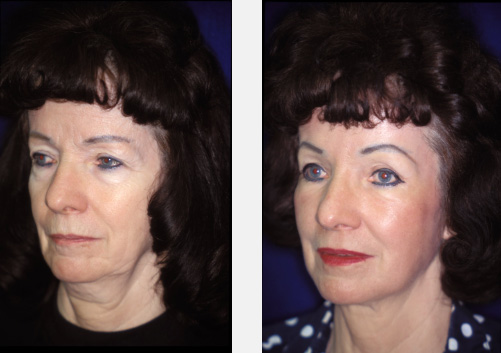
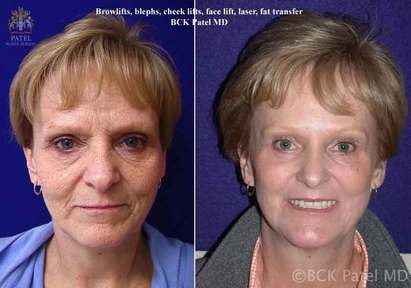
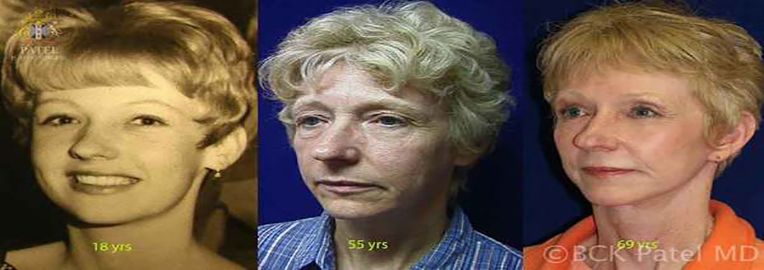
The “Hammock Lift” which entails surgery on the brows, the upper and lower eyelids and midface, combined with judicious fat grafting and laser yields very satisfying results
Fat grafts are very useful for filling facial contour deformities where surgical repositioning or lifting would be inadequate
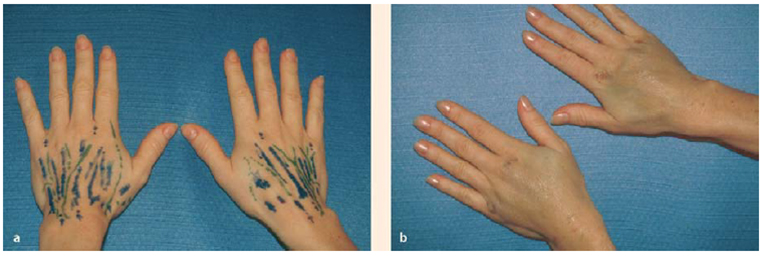
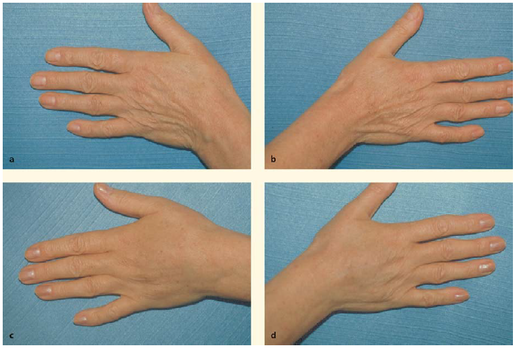
Surgical markings and results of fat grafts to hands

63 Yrs Old with Fat Droopy Eyes

Salt Lake City, UT

Well, the last time I had a picture taken I could hardly see my eyes because of the weight of heavy eyelid. Then I paid attention to how I was actually using my eyes and I really noticed when I was looking at anything especially the computer I was straining my forehead to see better. Since I have had it done I no longer have to lift the forehead and tilt my head to see. It is amazing! I love…

D. Rock ​

What happens if I put on Weight after my Fat Grafts?

There was a tendency to perform large volume fat grafts to the face without any surgical procedures: the thinking was that replenishing the volume loss that occurs with age gives a pleasing fullness to the face. This is certainly the case: judiciously performed facial fat grafting can give excellent results. However, we soon noticed that if the patient puts on weight, the fat grafts also expand!

​When small quantities are used to create filling and fullness, this does not, usually, create problems. But with the large volume fat grafts, we see “full, round faces” after weight gain, which may not have many wrinkles or hollows, but are not exactly pleasing.

What other Procedures May be Performed with Fat Grafts?

It is more the other way round. “Which procedures benefit from concurrent fat grafting?” Fat grafting may be conserned with a wide range of reconstructive and cosmetic procedures. Most cosmetic procedures now have some component of fat or tissue transfer to achieve a balanced appearance. ​

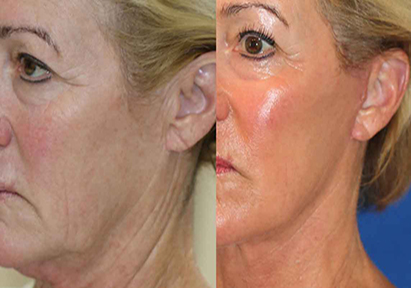
Surgical cheek lifts and fat grafts in combination
Fat grafts alone yield reasonable results but are best performed in combination with cosmetic surgical repositioning of tissues
Fat grafts give elegant results when combined with proper facelifts and necklifts. They allow the creation of facial prominences and hollows which makes the face all the more attractive
Proper assessment of the anatomical changes and accurate marking allows us to create a three-dimensional improvement in the facial contours

What are the advantages of Fat Grafts?

Using one’s own fat allows for better and longer-lasting survival. Also, it reduces the need for fillers in the futures and this can reduce the cost of fillers. It is not uncommon to get a safe level of filling with fat and then augment the depressions and volume loss with fillers which can be used without surgery and done safely in the clinic. Fat grafts also improve the texture and appearance of the skin overlying the fat grafts. There is much debate and discussion about why this might be the case. Finally, it is your own material, so risks of rejection and infection are minimal.

Hammock Lift: When fat grafts are combined with beautifully designed cosmetic surgery, the results are very pleasing

What kind of results can I expect after fat grafting?

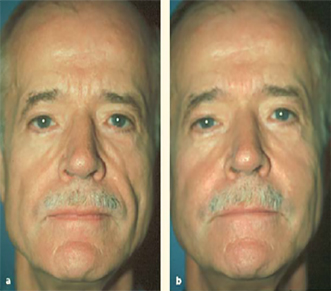
Initial swelling may make the injected sites look “overfilled”. However, this settles quickly. The best way to assess the results is to compare side-by-side photographs before and after the procedures. Two dimensional photographs may not adequately convey the full benefit of fat grafts, however. ​

Fillers or fat grafts may be used to improve the appearance of hands. Fat grafts were used here

Highly recommended for eye lift surgery

Salt Lake City, UT

I had a excellent eye lift done by Dr. Patel. He knows what he is doing and is very pleasant. Dr.Patel was easy to get an appointment and he works with you. The office staff was very pleasant and made you feel calm.

D. Gull

Before & After

Hammock Lift with fat grafts restores the proportions and displays the natural beauty of cheeks and lips
HAMMOCK LIFT: these photographs illustrate the longevity of fat grafts when performed with cosmetic surgery. This patient underwent the "Hammock Lift" which comprises brow lifts, upper and lower blepharoplasty, cheek lifts and fat grafts together with the judicious use of lasers and liposuction.

Frequently Asked Questions About Fat Grafts

Where will my surgery be performed?

Fat grafting needs to be performed with meticulous attention to detail, sterility and safety: to that end, these procedures are performed in surgical centers which are well versed in these techniques and with staff who are proficient and efficient.

Most patients are comfortable with general anesthesia.

The donor sites will have small incisions and dissolving sutures but no elaborate dressing other than small occlusive dressings. The site that is grafted may have supportive tape or a brace-like dressing for the first few days.

Sadly not! However, all my patients notice that trousers fit more comfortably around the waist no-one has ever complained!

This is variable and will very much depend upon what other procedures you are undergoing.

Bruising around the donor site is usually minimal. The grafted site will definitely get swelling and some bruising which takes about two weeks to settle. The final result from the fat grafts take several weeks to manifest themselves, as absorption of some of the fat definitely occurs. Contrary to many Dr. Google claims, there is no technique that will guarantee 100% survival of fat grafts.

The donor site will be “stiff”and mildly uncomfortable. The grafted sites are more often numb than painful. Some discomfort from the associated surgeries may occur.

Although we know that about 50% of the fat grafts survive, there are a number of factors that come into play with such survival. In some instances, more or less fat may survive: hence the overall result is not entirely predictable. However, with appropriate precautions and combining lifting and filling techniques, reliable pleasing results can be obtained.Increase in the fat if one puts on weight can occur. Massive weight loss can result in loss of some of the fat-grafted fat.
Infection is very rare.

Visit our YouTube channel for expert tips and guidance

Schedule a Consultation Today!