Complications

Portrait of beautiful young brunette woman with clean face

We are a tertiary referral center and often see patients from far and wide for second, third and seventh opinions! Complications of cosmetic surgical procedures of the face can be concerning to the surgeon as well as the patient. Most surgeons are skilled enough to correct any undesireable results. However, patients will often want second or third opinions. We also see many patients who want complications and undesireable results corrected. ​

IMPORTANT

not all unacceptable results are completely correctable. Certainly, when it comes to loss of tissue after repeated surgeries, an improvement can be sought, but a complete correction may not be possible

What complications of facial cosmetic surgery do you see?

The list of the types of patients we see is long. Some of the conditions we see are:

Over-tight face after a facelift

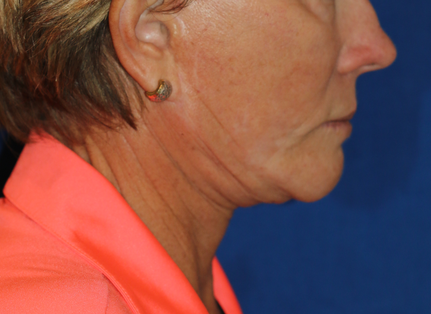
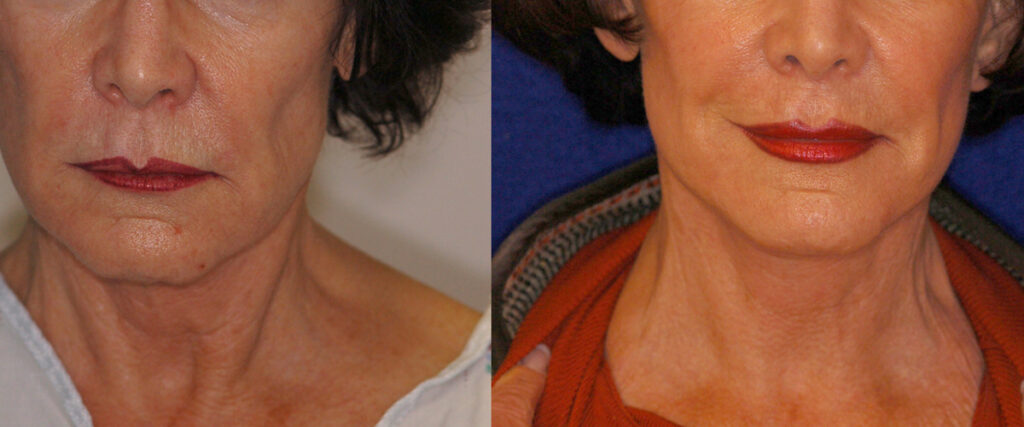
​We have all heard about the joker’s smile look and the over-tight face. Many of us have seen these results on the television screens and on the big screen. These are not easy problems to treat once the overly tight facelift or necklift has been performed. However with a careful review of the operation reports and examination of the patient, we can often improve the “pulled look” appearance.

the wind-swept look where the incisions were not chosen wisely, the skin and sub-dermal changes were not properly assessed and the vectors for the lift chosen were for a “quick-lift” which was unwise.
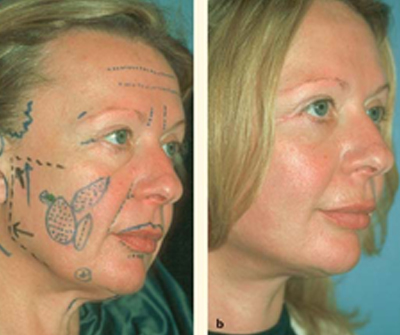
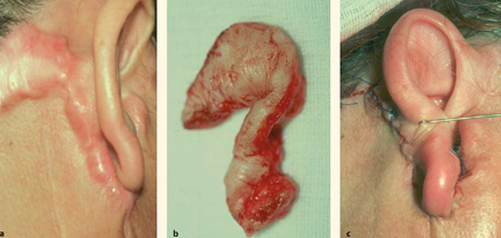
Surgical correction of the wind-swept look and correction of the earlobe that is pulled downwards and forwards with loss of the earlobe is complex and much more difficult than doing the facelift and necklift properly in the first place. However, with a combination of revision surgery, scar replacement, fat grafts and lasers, a reasonably nice result can be obtained as seen here.

Earlobes pulled down and stuck to the face with loss of earlobes and with a wind-swept look

The earlobes pulled down and stuck to the face after a facelift and necklift.

​This is a common problem that we see. It is possible to revise the scars and improve the position of the ear lobe and, in some cases, to even make a new “hanging” earlobe so that the face looks natural.

63 Yrs Old with Fat Droopy Eyes

Salt Lake City, UT

Well, the last time I had a picture taken I could hardly see my eyes because of the weight of heavy eyelid. Then I paid attention to how I was actually using my eyes and I really noticed when I was looking at anything especially the computer I was straining my forehead to see better. Since I have had it done I no longer have to lift the forehead and tilt my head to see. It is amazing! I love…

D. Rock ​

Bad scars, loss of earlobe and pull lines which make the jawline and neck look less than ideal

Pull lines on the face after a facelift

Pull lines on the face after a facelift: many patients succumb to the temptation of “weekend facelifts”, quick facelifts, etc. These are done through small incisions which can result in abnormal tension on the facial skin, resulting in “pull lines” which we also call kite lines. In such cases, it is necessary to redo the facelift and neck lift and change the vectors of the tissue repositioning, often with the use of other modalities like fat grafts, lasers, etc. We can improve these pulled faces.

Inadequate improvement of the jowls, jawline and neck after a facelift

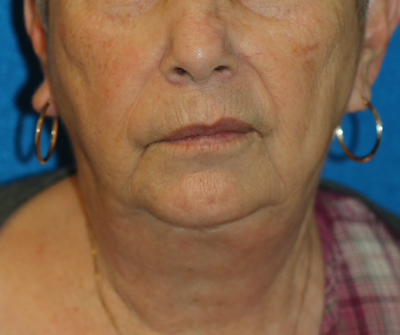
Facelift and necklift surgery are precise surgical techniques that depend upon experience, a detailed knowledge of anatomy and a careful study of aging of men and women. A careful preoperative analysis and planning are vital. If and when

quick and template-type facelifts and necklifts are performed, the improvement can be moderate and unsatisfactory. About 30% of our facelifts are revision facelifts performed for patients who are either dissatisfied with their results from surgery elsewhere or where the results have not lasted sufficiently long enough after surgery.

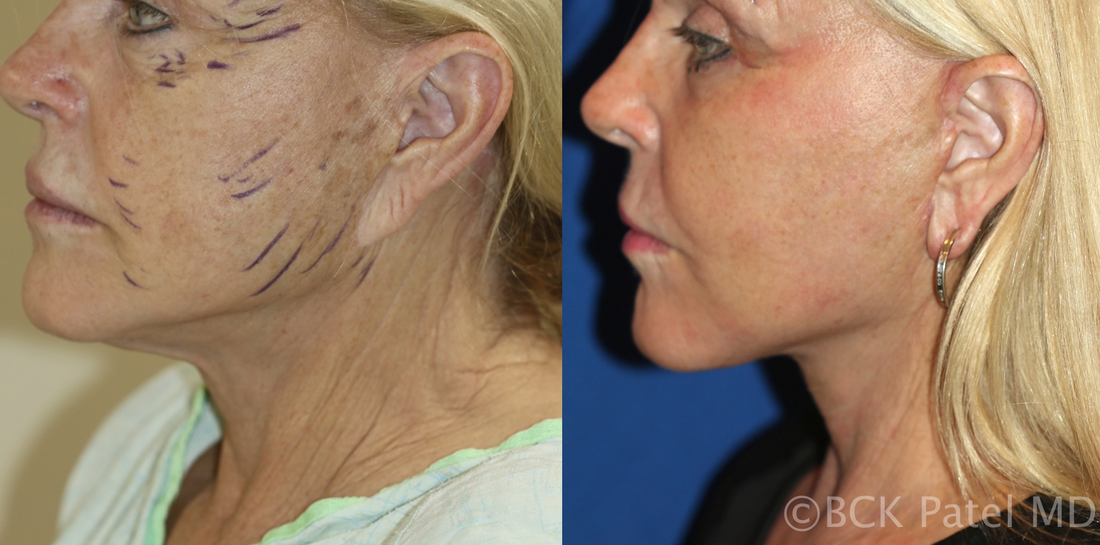
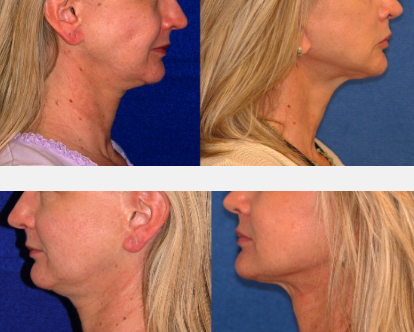
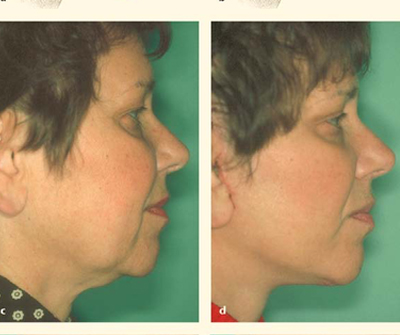
Inadequate correction after a facelift and necklift with unacceptable scars. Correction was obtained by re-doing this patient’s facelift and necklift, fat grafts were used to correct the indentations, scar revision and repositioning was performed.
This patient came to see us with an unacceptable result from a facelift and necklift. The choice of incisions was wrong, the pull was only vertical, resulting in “kite lines” or “wind-swept” lines, and the changes affecting the skin and dermal tissues was ignored, exacerbating the “surgical pulled look”

Treatment of skin changes: pores, vessels, pigment spots, wrinkles, lines, scars, etc

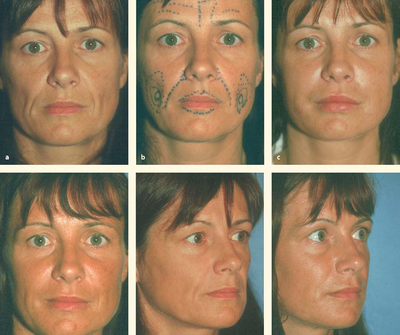
Some surgeons will perform very nice facelifts and necklifts but ignore the canvas of the face: the skin. A beautiful face demands beautiful skin as well as excellent underlying anatomical structures. We often see patients where the skin has been neglected: here we can achieve a lot of improvement using a combination of lasers, peels, pulsed light lasers, radiofrequency lasers, injection radiofrequency and other non-surgical techniques. ​

Badly placed scars after a facelift and necklift

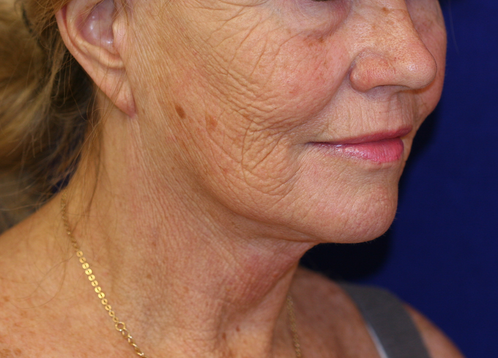
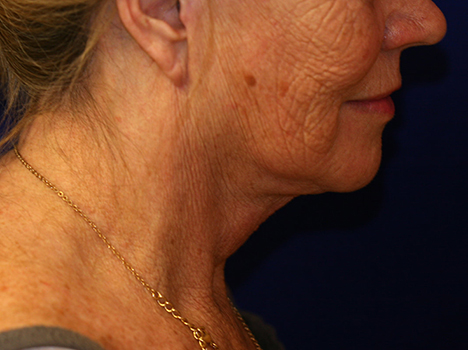
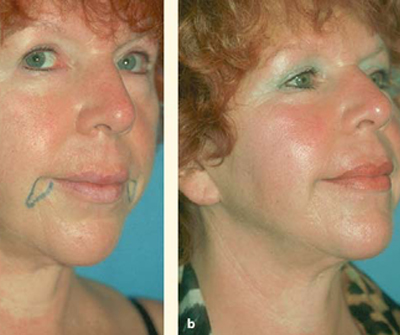
The designing of the incisions is a very precise technique and is not the same in men and in women and, indeed, is not same from one face to another. We often see scars that are obvious and very anterior to the ear or hairline. In others, the scars are too wide and distort the ear or the face. In such cases, we carry out scar revisions of various kinds to improve and hide as much as possible the old scars and reduce the size and improve the location. ​

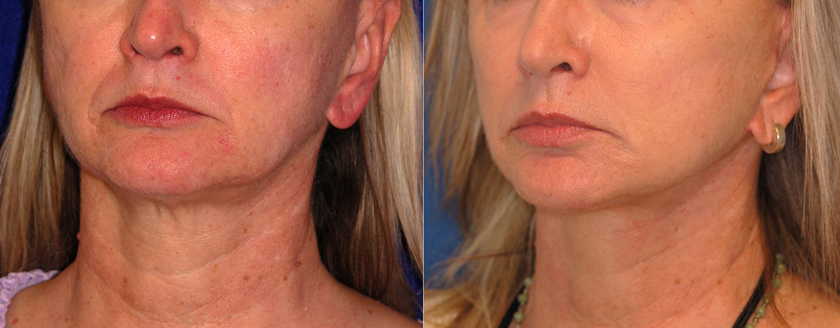
Revision facelift with repositioning of tissues, revision of scars, creation of a tighter jawline and neck gave this repeat facelift and necklift patient a much more satisfying result.
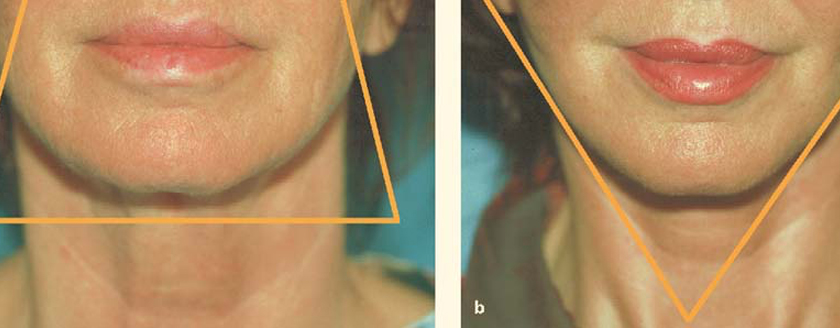
Proper planning aims to convert a broad lower part of the face in females to the beautiful “V” shaped face.

Asymmetry after Facelifts and Necklifts

We sometimes see patients who have a different result between the right and left sides of the face after a facelift and necklift. There are many reasons for this outcome, including underlying anatomical and bony differences between the two sides, different tissue placements, different incision placements, inadequate tissue volume replacement (fat grafts) and facial nerve and muscle problems. In some cases these can be improved, but one needs to see and examine the patients to obtain a detailed understanding of the underlying causes. ​

Facial Scars

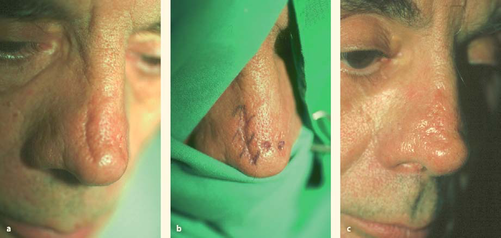
We often see patients with unacceptable scars from trauma, surgery, tumour resection, reconstructive surgery, and other reasons. Depending upon the age, site, depth and relative relations, proper scar revision is planned using a combination of techniques, including lases, Z-plasty, W-plasty, geometric broken line scar revision, fat grafts,dermabrasion,microneedling, radiofrequency, vascular lasers and collagen remodeling lasers, among other techniques.

Scar revision with multiple Z-plasties
Keloid scar after a facelift revised with appropriate resection, repair and use of anti-scarring injections
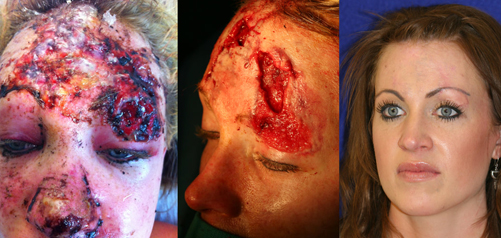
Reconstructive surgery is more difficult than cosmetic surgery as it demands creation of tissues that are lost to trauma and scars which are associated with irregular scars and tissue loss. With appropriate planning, repair and recreation of anatomical planes, good outcomes can be obtained. The same principles apply to complications of cosmetic surgery.
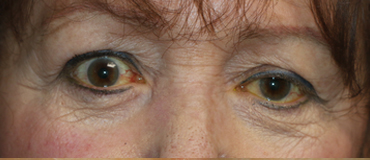
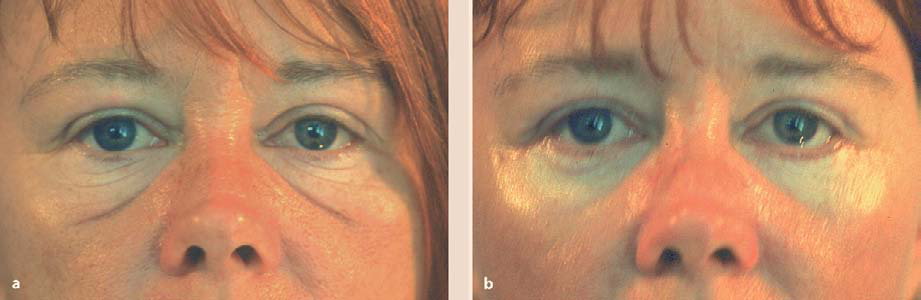
overly operated upper blepharoplasty with excessive removal of skin and fat and over-tightening of the levator tendons resulting in an inability to close the eyelids.
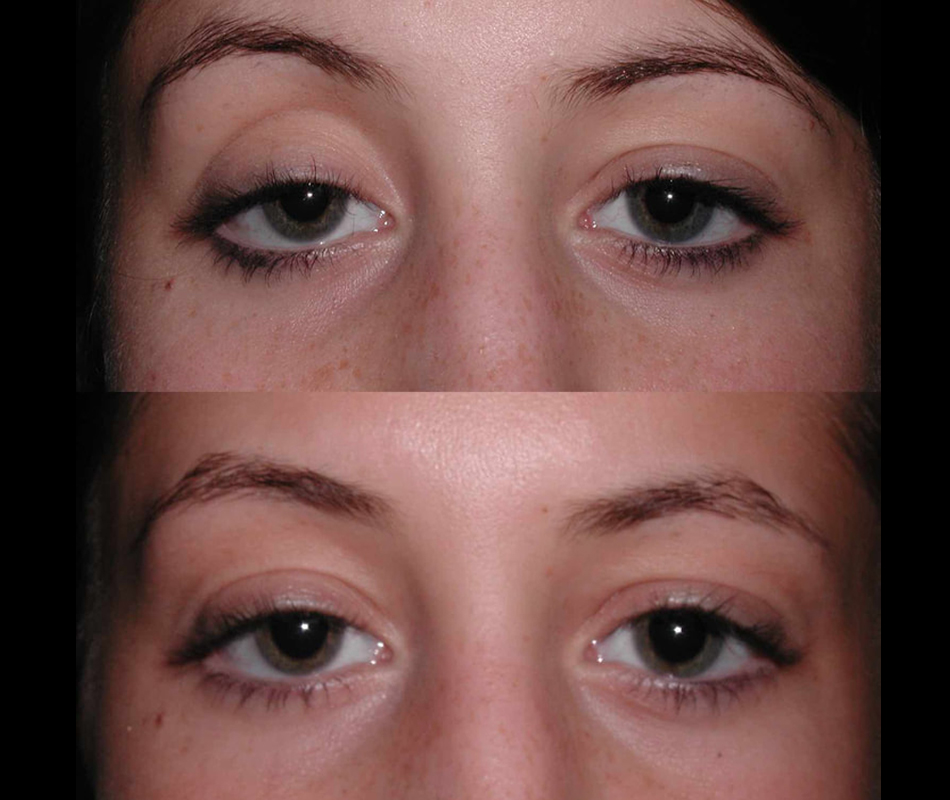
Poorly planned upper lid surgery with right retraction of the upper lid and asymmetrically performed removal of tissues.

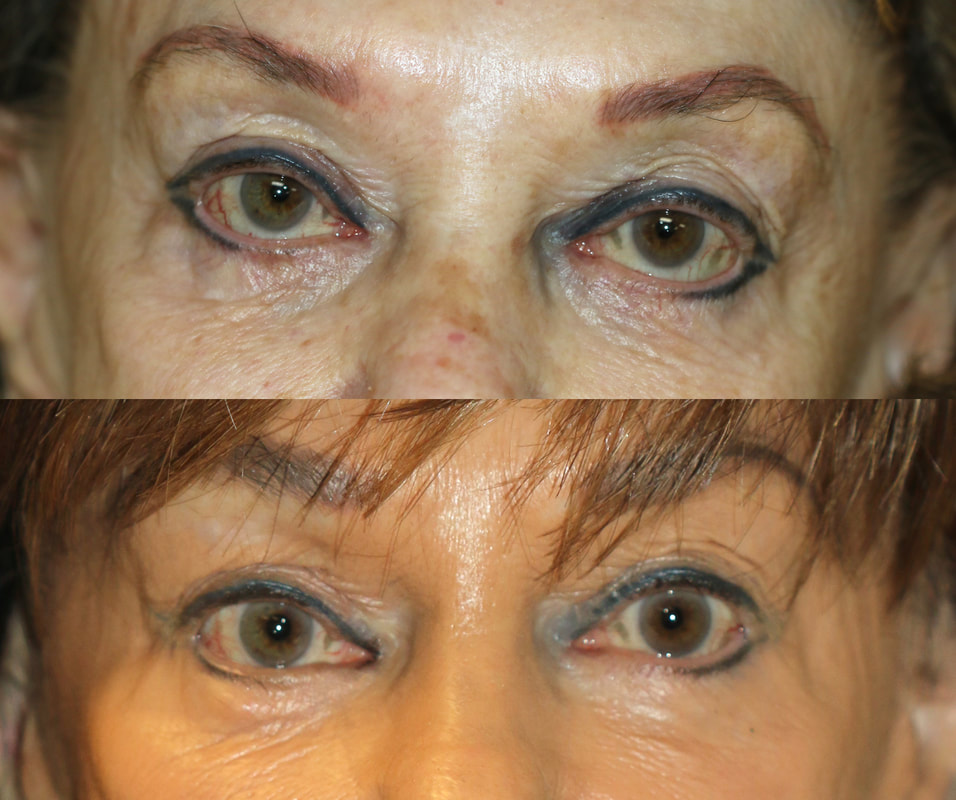
Asymmetric eyelids and brows

After endoscopic browlift surgery and upper blepharoplasty, some degree of asymmetry is to be expected as none of us have the two sides look exactly the same. However, if the difference is very noticeable, it can be a problem. There are many reasons for this to occur, including failure to position the brows properly, failure to correct underlying ptosis of the eyelids, failure to design skin creases that match, failure to address the fatty tissue of the upper eyelid fat pads, too much removal of fat from eyelids and brows and misplacement of eyelid incisions, among other causes! As we talk to one another by looking at our eyes, designing eyelid surgery has to be the most fussy and accurate ​of all plastic surgery procedures.

Unable to close eyelids after upper and/or lower eyelid surgery

This is a very common problem we see when the surgeon may have been over-zealous with the resection of tissues, or, not infrequently, the patient has asked the surgeon “to remove as much as he or she can” during the surgery, which is always a mistake. Again, proper planning with an assessment of the position of the eyeballs (proptosis, enophthalmos, etc), corneal health, laxity of tendons, looseness of eyelid tissues, ptosis or retraction, canthal dystopia, muscle tone, skin condition, degree of sun damage, etc, etc, etc are all factors that careful surgeons take into account. If you come to see us with the inability to close your eyelids after surgery, it is important for you to come with your preoperative photographs, and all your operation reports and clinical notes so we can examine you and assess your condition as well as what was done. Correction of this problem may involve one of myriad techniques and it may not ​be possible to completely correct the problems.

Asymmetry of brows and eyelids and lower eyelid retraction after this patient’s previous surgery was corrected using reconstructive and cosmetic techniques and grafts together with attention to treatment of the skin
Correction of asymmetry with filler
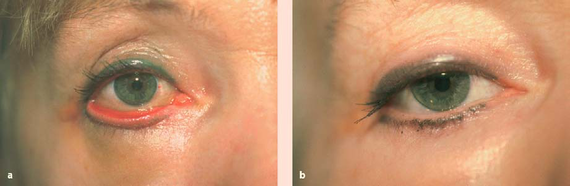
Correction of lower eyelid malposition after cosmetic lower blepharoplasty

Lower eyelids pulled down and away from the eyeball after lower blepharoplasty

Again, this is a not uncommon problem we see. In some instances, we can correct this with a minor procedure and some conservative treatment. In other cases, a more detailed procedure or procedures may be necessary. ​

Abnormal incisions and scars after blepharoplasty and asymmetric results

Designing skin creases and placement of incisions when performing upper and lower blepharoplasty is the secret to hiding the incisions. No surgeon can create invisible incisions but with proper design, we can hide them well enough to not be noticeable by anyone except by the patient and by us! When the scars are not well places, revision may be possible but not with perfect results in every case. Again, it is important for you to bring your pre-surgical photographs and operation and clinical notes with you
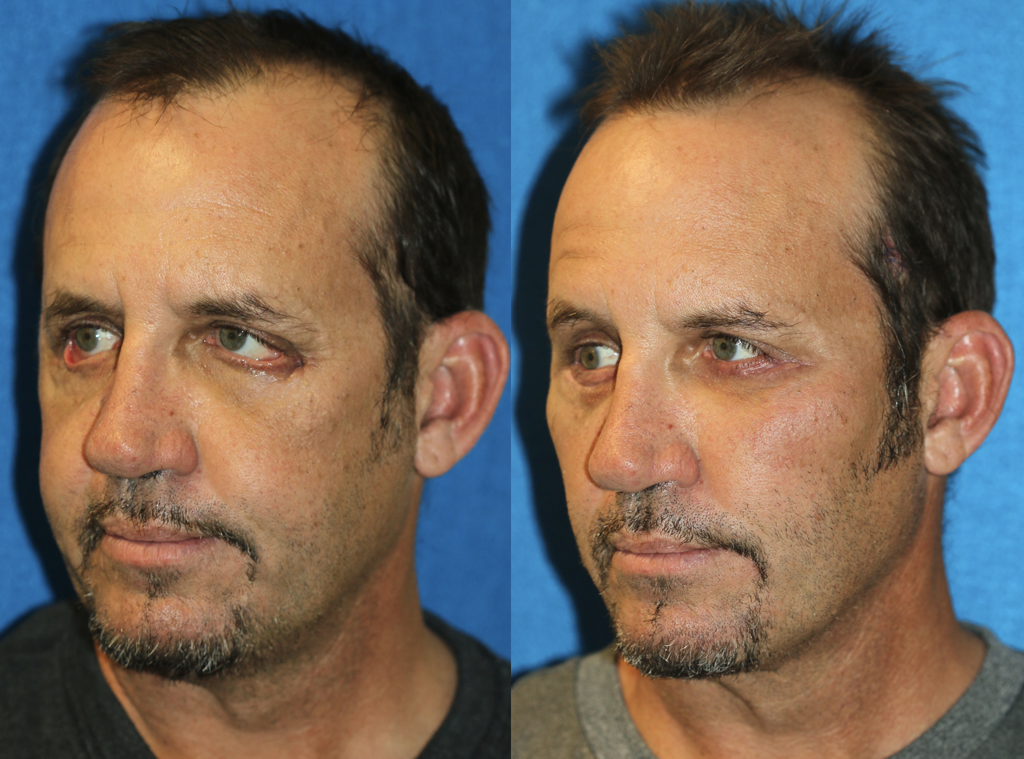
Fat removal left this patient with loose skin (festoons). Correction involves attention to skin and deeper tissues.

Misplaced implants in the face

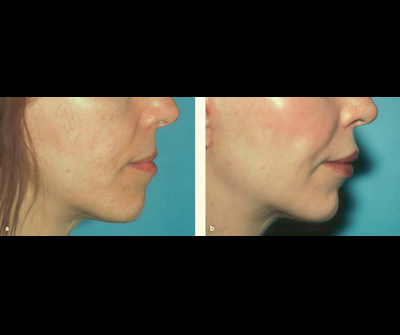
Misplaced implants in the face can be cheek, chin or other implants. Implants on the face should be inserted conservatively and with the smallest size possible to give a nice result, so as to avoid the “operated look.” Sterility is also vital to avoid the risk of infection of the face and the implanted areas. Here, we often need to completely remove the implants, allow the tissues to recover from the surgical trauma and then carry out further reconstruction, often with tissue repositioning and with fat grafts. Replacement implants are only used occasionally in such cases.

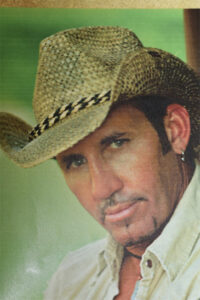
A handsome man with excellent bone structure, soft tissues, and appropriate projection of the nose, lips and chin
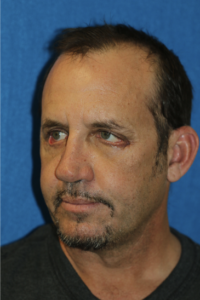
Infected cheek implants with too much tissue removal from the lower eyelids and cheeks, volume loss in the lower eyelids and cheeks, lower eyelid retraction and lagophthalmos, repeated eye infections, "sad" look to the eyes and change in the proportions of the face

Before & after

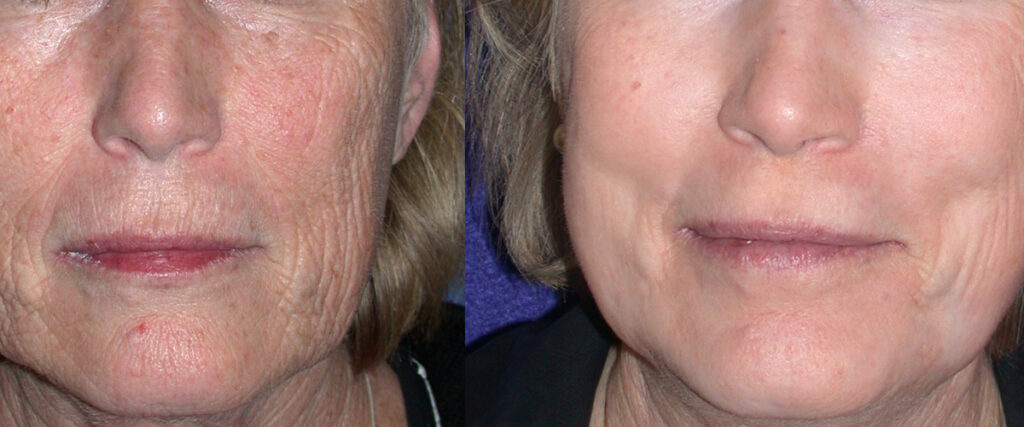
with proper assessment and treatment, the skin can be improved together with deeper tissues
Revision facelift where tissue repositioning had been obtained but attention had not been paid to soft tissue volume loss and ptosis.
After we performed corrective brow, eyelid and facial surgery to return him to his normal handsome face. Reconstruction after cosmetic surgery problems needs to be staged to allow tissues to recover vascularity

Highly recommended for eye lift surgery

Salt Lake City, UT

I had a excellent eye lift done by Dr. Patel. He knows what he is doing and is very pleasant. Dr.Patel was easy to get an appointment and he works with you. The office staff was very pleasant and made you feel calm.

D. Gull

Visit our YouTube channel for expert tips and guidance

Schedule a Consultation Today!