Enucleation and Evisceration

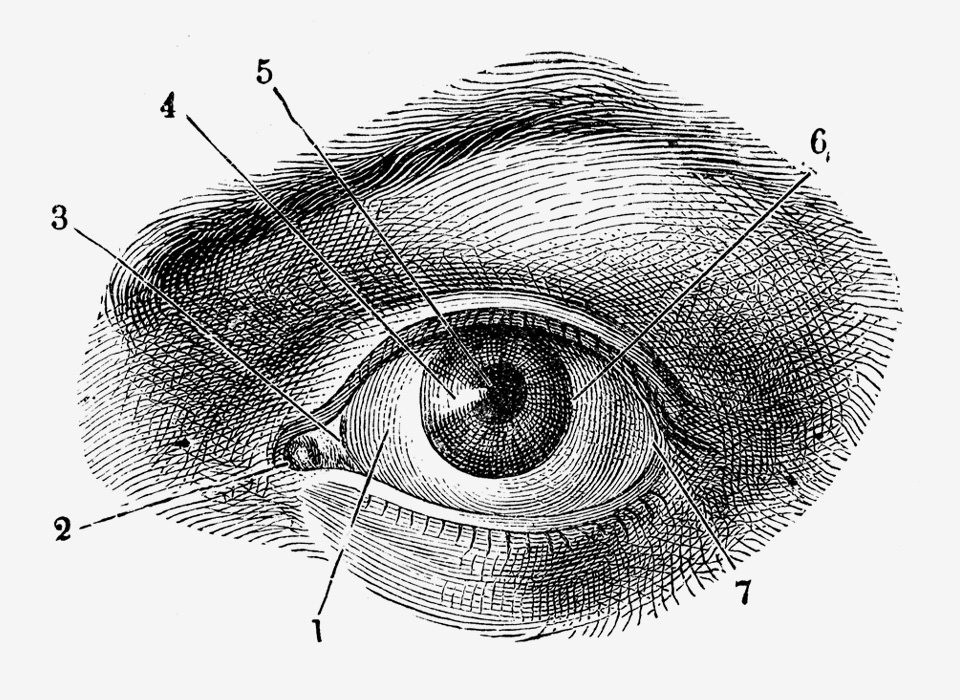
Antique illustration of human body anatomy

What is Enucleation?

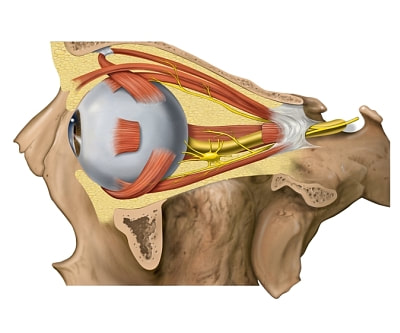
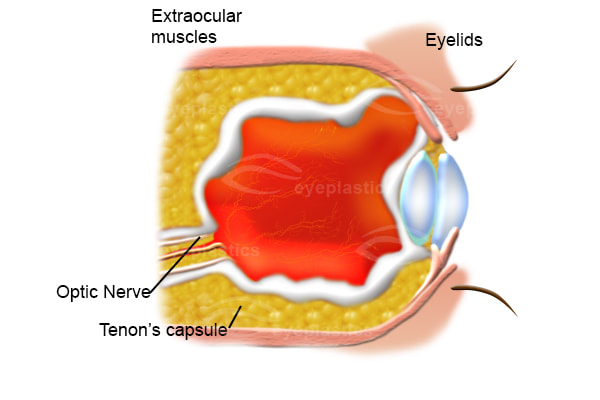
Enucleation is the removal of the whole eye, including the contents (lens, uvea, etc) as well as the lining (sclera, cornea). The muscles are detached from the eye before the eye is removed.

Results

Enucleation

It is amazing! I love...

63 Yrs Old with Fat Droopy Eyes - Salt Lake City, UT

Well, the last time I had a picture taken I could hardly see my eyes because of the weight of heavy eyelid. Then I paid attention to how I was actually using my eyes and I really noticed when I was looking at anything especially the computer I was straining my forehead to see better. Since I have had it done I no longer have to lift the forehead and tilt my head to see.

D. Rock

Evisceration

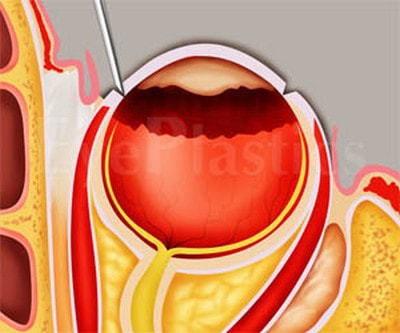
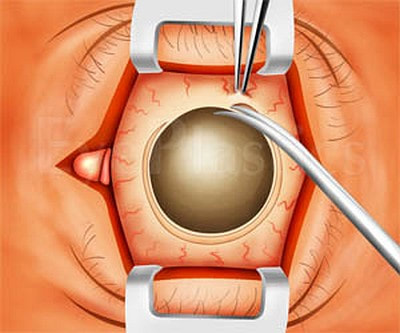
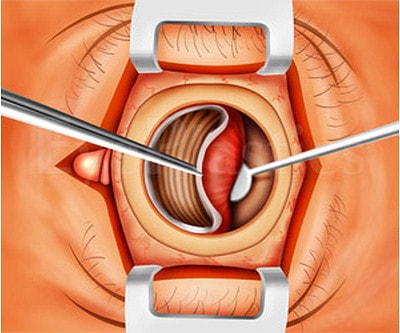
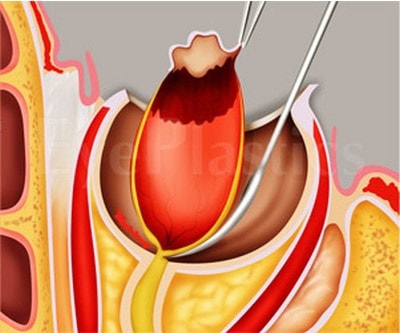
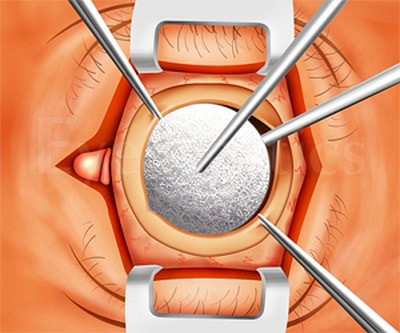
Evisceration is the removal of the contents of the eye whilst leaving the scleral lining with the muscle attached intact:

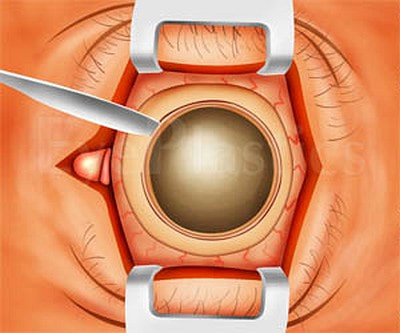
the corneal button is removed
removal of the cornea
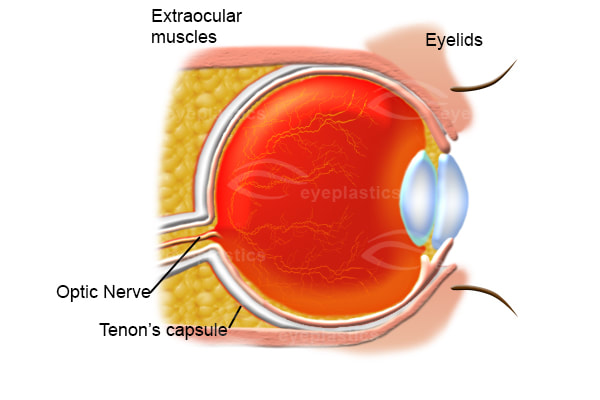
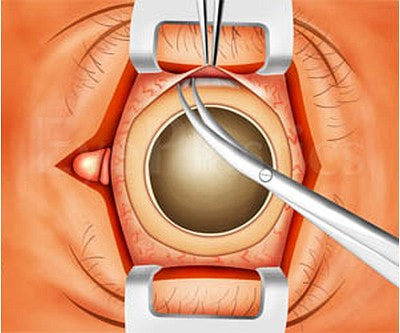
Incision of the conjunctiva and Tenon’s lining
the Tenon’s and conjunctiva are undermined up to the equator to allow the tissues to be mobilized forwards.
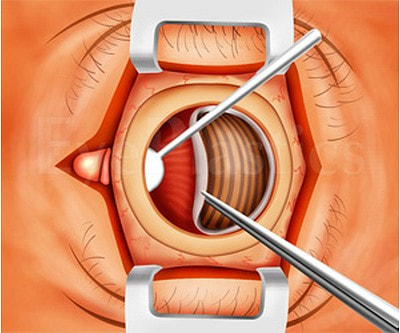
the corneal button is removed, followed by dissection within the sclera to remove the intraocular contents which include the lens, the choroid, the retina, etc.
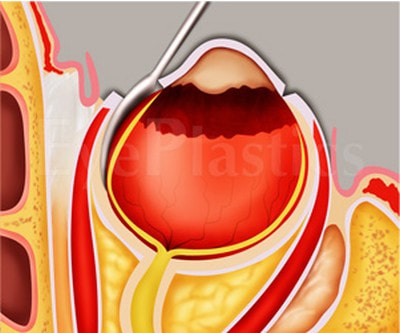
Posterior dissection behind the sclera.
dissection posteriorly to remove the intraocular contents
Evisceration being completed with removal of the attachments at the optic nerve head
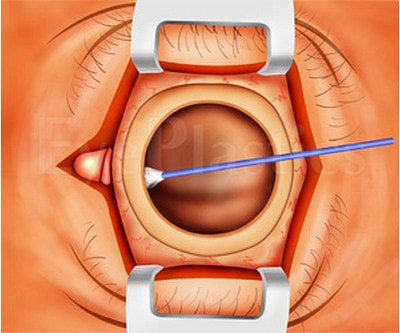
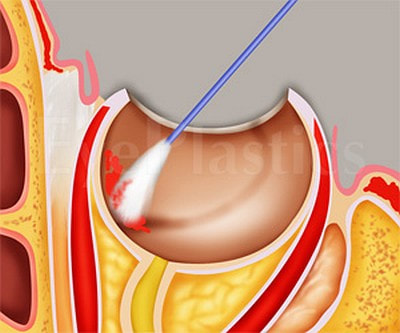
the sclera is “scrubbed” to ensure that no uveal tissue is left behind.
Cleaning the sclera, followed by relaxing incisions of the sclera to allow the placement of the correctly-sized implant
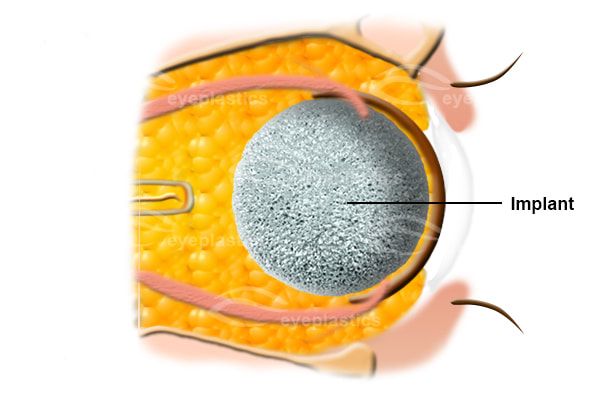
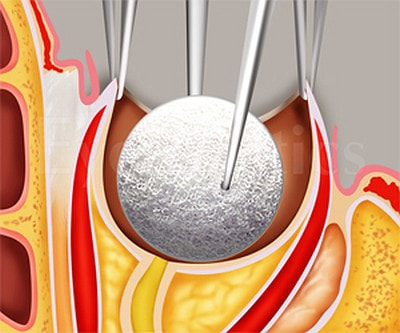
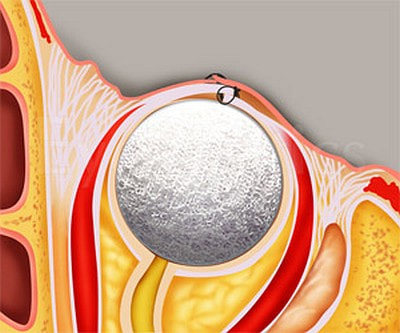
Placement of the implant which may be made of hydroxyapatite or polyethylene
The positioning of the implant is helped by performing relaxing incisions in the posterior sclera
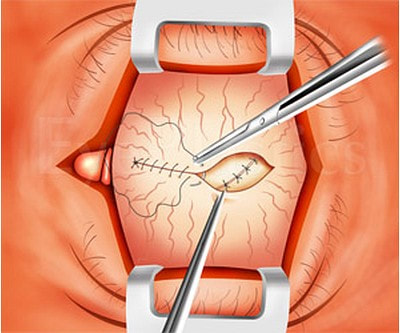
Layered closure of the Tenon’s fascia and the conjunctiva
Closure is performed without tension
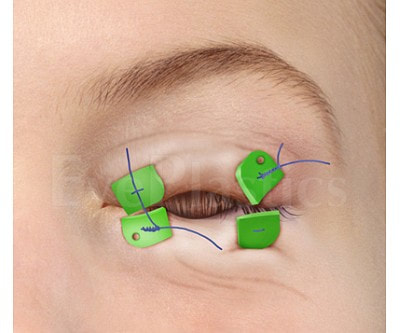
Temporary tarsorrhaphy sutures are placed
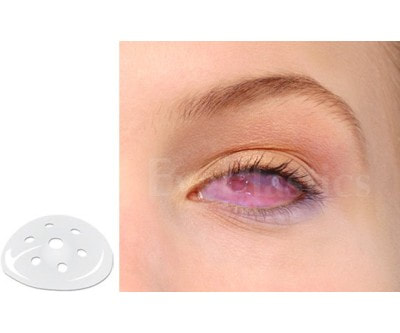
a conformer is placed in the fornices
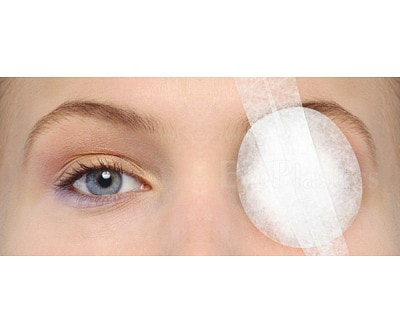
a patch is placed on the eye

What types of implants are placed in the orbit?

Historically, implants have been made of many materials: magnets, gold, silver, glass, silicone, cartilage, bone, fat, cork, titanium mesh, acrylics, wool, rubber, catgut, peat, agar, polyethylene, hydroxyapatite.

The modern options include the following:

MEDPOR®

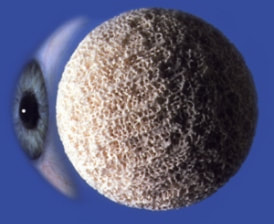
MEDPOR® is comprised of a lightweight, porous form of high-density polyethylene, a material with a long history of medical applications. Its unique, highly porous texture allows vessels to incorporate into the enhancement shape, integrating MEDPOR® 
into a patient’s tissues. The shape and size can be customized by your surgeon to fit your individual needs. MEDPOR® eliminates the need for grafts or silicone implants.

MEDPOR® Orbital Spheres

We select from sphere implant diameters of 18 mm to 22 mm.

​A resterilizable sizer set is available for selecting the appropriate implant diameter at the time of surgery.

Hydroxyapatite:

  • The Bio-eye hydroxyapatite (HA) ocular implant is a spherical (ball-shaped) implant composed of natural coralline HA.
  • It is used to replace the volume of the orbit when the eye is surgically removed, or as a replacement implant in patients with a poorly functioning, pre-existing implant.
  • Historically, the use of nonporous synthetic ocular implants has led to complications such as exposure, extrusion, migration, infection, poor motility, and poor cosmesis

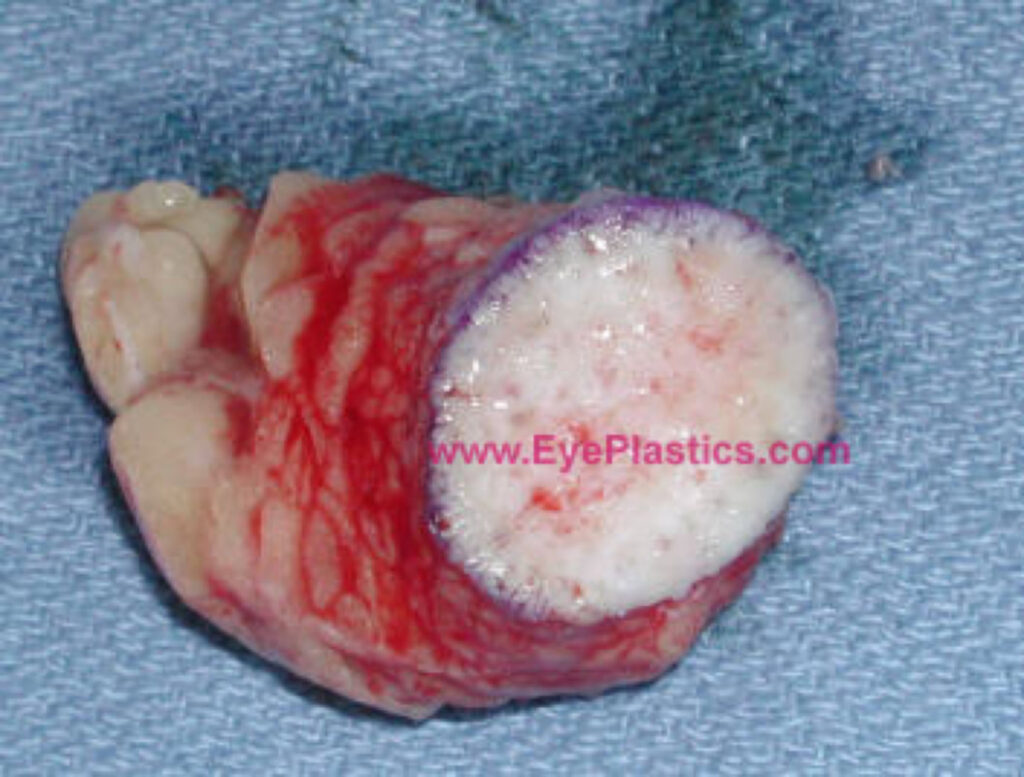
Dermis-fat graft

  1. is composed of subcutaneous fat and overlying dermis.
  2. Its advantages include the fact that it is an autologous graft and, thus, lacks concerns for bio-compatibility in disease transmission. However, there is a certain degree of fat atrophy which might possibly occur leading to somewhat unpredictive and result of volume.
  3. Dermis fat graft might possibly be used as a primary procedure following primary reconstruction for orbital exenteration, as a low cost means to provide an orbital implant and in instances in which enucleation is performed early in childhood since the fat might possibly grow and provide stimulus for orbital growth.
  4. Dermis fat graft can also be used in numerous secondary procedures such as a replacement of an extruded orbital implant and correction of deep superior sulcus deformity.
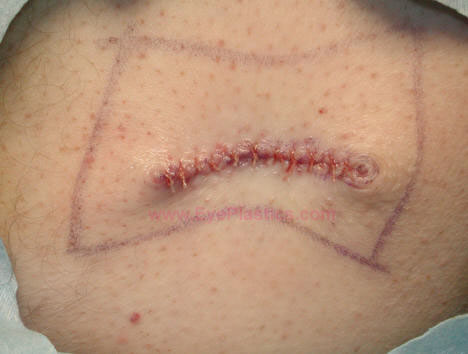
  5.  The surgeon might possibly choose one of several donor sites including the lower abdominal quadrant and the outer ​
  6. quadrant of the buttock.
  7. Typically a graft is measured approximately 25 mm in diameter. The epidermis might possibly be abraded with the derma-brader or with a #15 blade.
  8. ​The graft is harvested with an attempt to minimize mechanical manipulation of the graft and to quickly insert the graft into the previously prepared recipient bed.
  9. Often the dermis has slight surgical modifications in order to create a dome shape to it which often provides better motility for the prosthetic implant.

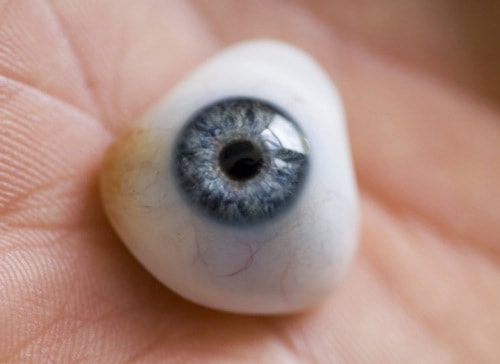
What is the prosthetic eye made of?

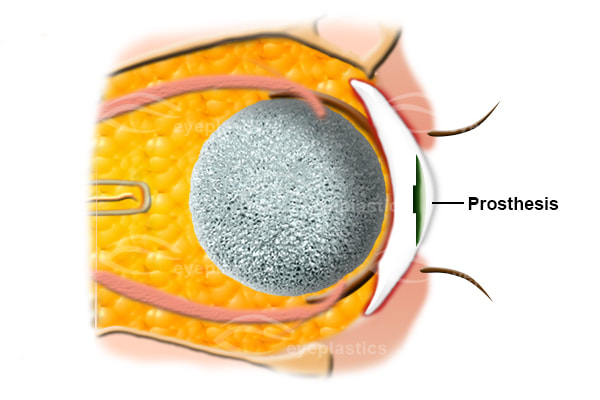
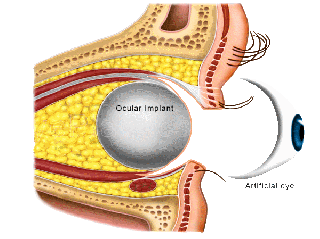
Prosthetic eyes used to be made of glass. Because of the incidence of breakage, most modern prosthetic eyes are made of polymethylmethacrylate. The prostheses are polished every six months or so by the prosthetician.

Visit our YouTube channel for expert tips and guidance

Schedule a Consultation Today!