How to Prepare for Your First Visit for an Assessment for a Deep Plane Facelift and Neck Lift
How to Prepare for Your First Visit for an Assessment for a Deep Plane Facelift and Neck Lift
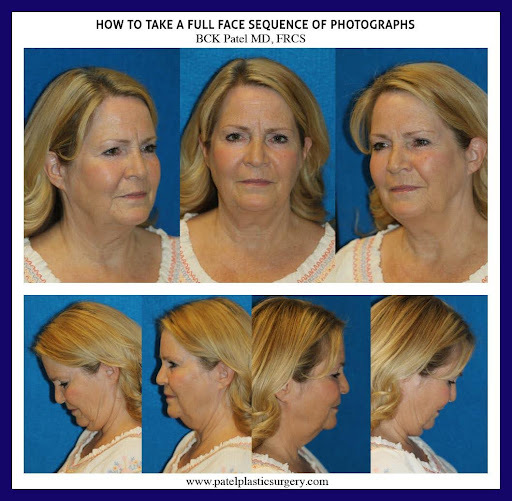
Our “Dining Room” set of photographs shows what others see when they socialize with you and allows us to accurately analyze your face, jawline, and neck from all angles. This way, we can plan accurately to improve these structures from all angles.
We live in enlightened times when it comes to modern plastic surgery! The deep plane facelift and neck lift, in particular, have been refined (by us and others) to such an extent that we achieve very natural-looking results with excellent three-dimensional rejuvenation and an amazing improvement in skin tone, texture, and structure. The procedures are also extremely cost-effective when you compare the costs with those on the East and West Coasts! We are delighted to see patients from all over the United States and overseas. When you come to our clinic for an assessment and discussion of what is possible, this article will help you get the most from the initial visit.
Key Elements of Your Assessment Visit
1: Initial Skin Assessment
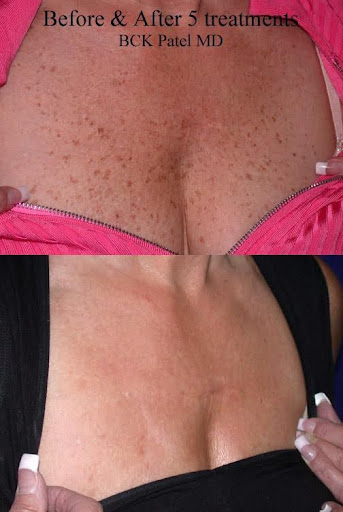
Please come with a button-down shirt or blouse so that we may examine the skin and structure of the whole face, the jawline, the neck, and the upper chest. If there is significant change in the skin of the neck and the chest (aging, sun damage, etc), we like to assess it for possible laser treatments prior to any surgery so that we are not moving damaged skin further up to the jawline and lower face. We perform a series of laser treatments to improve the color (red, brown spots), collagen, and fine lines.
2: “Dining Room” Photographs
Please come without any makeup on your face (eyeliner is fine). This allows us to accurately assess the skin tone, color, pores, fine lines, deeper lines, and structural changes. It also allows us to take accurate photographs, which we use to see what the public sees (we call it our “Dining Room” set of photographs, as that’s what your friends see when you are in a social setting). We use these photographs and the clinical examination to show you what is possible surgically and non-surgically, and we also send you a very detailed analysis of the face, jawline, neck, and chest. This allows our patients to not only understand the changes present, but also what is possible.
Our “Dining Room” set of photographs shows what others see when they socialize with you and allows us to accurately analyze your face, jawline, and neck from all angles. This way, we can plan accurately to improve these structures from all angles.
3: Earlier Photographs
Please send photographs of yourself from younger days (from as young as possible: 16 years old and onwards, but even younger if you have them) to our e-mail (info@patelplasticsurgery.com for Salt Lake City and manager@patelplasticsurgery.com for St. George). The more photographs, the better, since they allow me to study your natural facial structure and compare it with your current appearance and changes.
4: Recent Photographs
Please send any photographs you have taken recently, like selfies, which show the changes you don’t like. These photographs allow us to see what your camera or friends are seeing, and we can concentrate on improving those changes. Again, take and send as many of these so-called “bad photographs” to show me the changes you don’t like. This really makes a significant difference to my planning and performing the specialized techniques correctly.
5: Surgical History
Please bring a list of any prior surgeries (type, date) you have had. This is especially important if you have previously had blepharoplasty or facelift surgery.
6: Medication History
Please bring a list of all your medications (including details of any blood thinners, any pain medications, and benzodiazepines).
7: Questions & Answers
Please bring your list of questions so that we may not only answer them, but also concentrate on the aspects that concern you. It always helps to bring a partner or friend if you wish, as two pairs of eyes and ears allow you to understand the explanation much better. We perform these surgeries on men and women, and the approach is different for the two sexes. It helps for your other half to know what to expect with the surgery, the healing, and the early and late results.
8: Initial Planning
After your initial consultation, you will receive a detailed analysis that will help you understand the changes present and what may be possible. We can guide you and provide information on surgical dates, etc. If any lasers are recommended prior to surgery (neck and chest treatments discussed above, etc), we can start those as soon as you wish.
An example of how and why we clean up the sun-related and aging changes affecting the chest and neck, so that we don’t move damaged skin up the neck and to the face during the deep plane facelift and neck lift.
9: Arranging Downtime
Ensure you plan the surgery so that you have at least 2 weeks of downtime to look after the skin, etc. (we will give you specific and detailed instructions).
10: Preoperative Visit
We meet all our patients a week or 2 before surgery to give them all the prescriptions, provide preoperative and postoperative instructions, and also answer any other questions.