



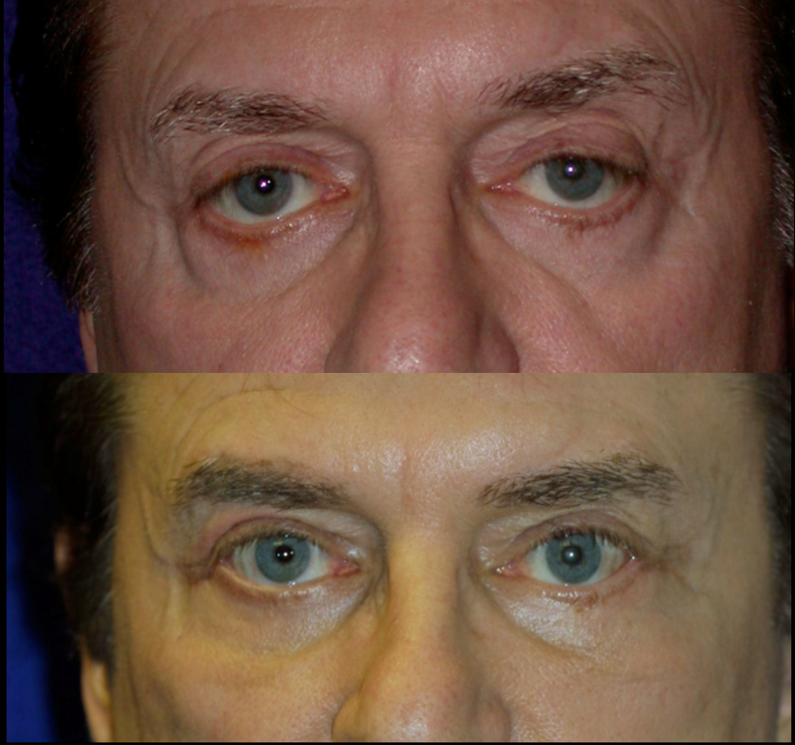
Heavy upper eyelids can negatively affect your appearance. They can make you look tired, even when you are well-rested. Sagging skin on the upper eyelids can also make you look older. Addressing heavy upper eyelids can improve your facial aesthetic. It can also boost your self-confidence. Effective treatment options can restore and enhance the appearance of your upper eyelids. Finding the root cause of the issue is necessary to effectively treat your concerns. You may wonder, what’s the difference between droopy eyelids and ptosis?
What’s the Difference Between Droopy Eyelids and Ptosis?
Many people mistakenly use “droopy eyelids” and “ptosis” interchangeably. However, they are two different issues. Because of that, treatment also differs. One involves the skin and fat in the upper eyelids, and the other involves the muscle that lifts your eyelid. Knowing the cause ensures you get the right treatment. Below you find the common causes of ptosis and droopy eyelids.
Common Causes of Ptosis
Ptosis involves the upper eyelid muscle. The levator muscle lifts the eyelid. When the muscle and surrounding tissue stretch or separate, the eyelid is impacted. It cannot fully lift and can often look droopy. It can cause cosmetic concerns, but it can also lead to functional vision issues.
Ptosis can occur for many reasons. The most common cause is age. As you get older, the levator muscle gradually stretches and can even detach from the eyelid. The muscle still works. However, it can no longer pull the lid up as high as it used to. Surgical intervention is necessary to address the changes to the eyelid muscle.
Several other causes of ptosis exist. Those who wear contact lenses place repeated stress on the levator muscle. This can ultimately stretch it over time, which can cause ptosis. Prior eye surgery, trauma, or injury can also change the eyelid muscle. In some cases, nerve and muscle conditions can cause ptosis. Working with a skilled surgeon at the top plastic surgery center is the right first step. They can determine the cause of your ptosis and create a customized treatment plan.
Common Causes of Droopy Eyelids
Droopy eyelids involve loose excess skin on the upper eyelids (dermatochalasis), often with prolapse of the medial and central fat pads. The eyelid itself often sits at a normal height, but there may be ptosis as well as dermatochalasis. However, the extra skin folds down over it. The condition gradually develops over time. In addition to skin folding over the eyelid’s natural crease, several other signs can appear. Downward-pointing lashes from the weight of the skin and eye irritation are also common (lash ptosis). The outer corners of the eye may also look hooded because the upper eyelids weigh down (temporal hooding).
A droopy eyelid can be caused by several factors. As with ptosis, droopy eyelids are most often caused by natural aging. Natural aging causes the skin to lose its collagen and elastin. These are proteins that keep the skin elastic and youthful-looking. The skin around the eyes is also extremely thin, making it more susceptible to aging and damage.
In addition to aging, ptosis can be caused by several lifestyle habits and environmental factors. Sun exposure is a common cause of eyelid drooping. UV rays break down skin collagen. This can speed up skin laxity and can affect the eyes because the skin is so thin. Weight fluctuations can also impact the appearance of the eyelids. Smoking, alcohol consumption, stress, and poor sleep can also have a real impact on the quality of your skin.
Genetics is also a powerful predictor of how your eyelids will age: we become like our parents as we age! Many patients will give a family history of droopy upper eyelids, which may involve the brows (brow ptosis), true ptosis and dermatochalasis.
Treatment for Upper Eyelid Changes
Effective treatment options exist for both droopy eyelids and ptosis, as well as associated brow ptosis. The brow position must always be considered when examining changes that affect the eyelids as the brows are frequently affected in patients with ptosis, dermatochalasis, or both. Each of the three components (brow ptosis, eyelid ptosis and dermatochalasis) requires different treatments.
Brow Ptosis
Brow ptosis is often cosmetic in nature as it makes the person look tired, firm, or angry if the frown muscles are also overactive. In severe cases, the brow ptosis may contribute to visual field obstruction, but this is more often seen with facial paralysis where the brow cannot be lifted and rests heavily below the orbital rim.
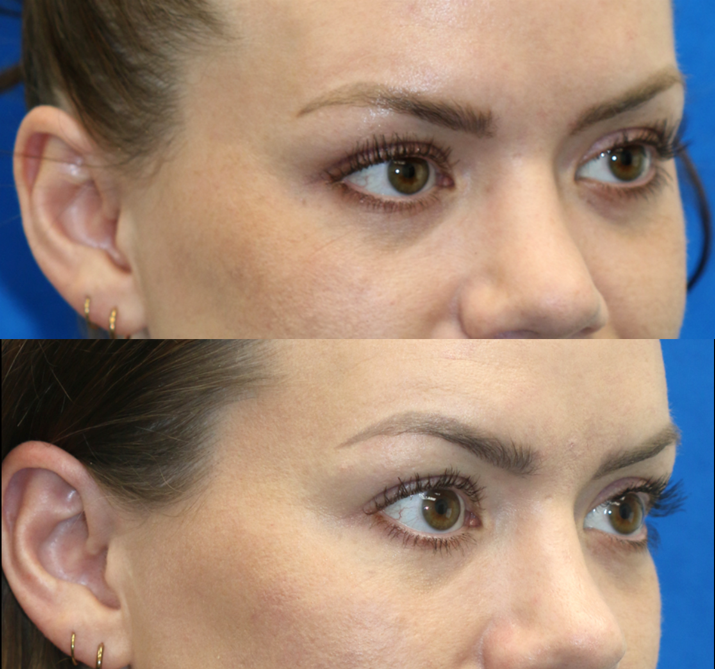
Upper Blepharoplasty
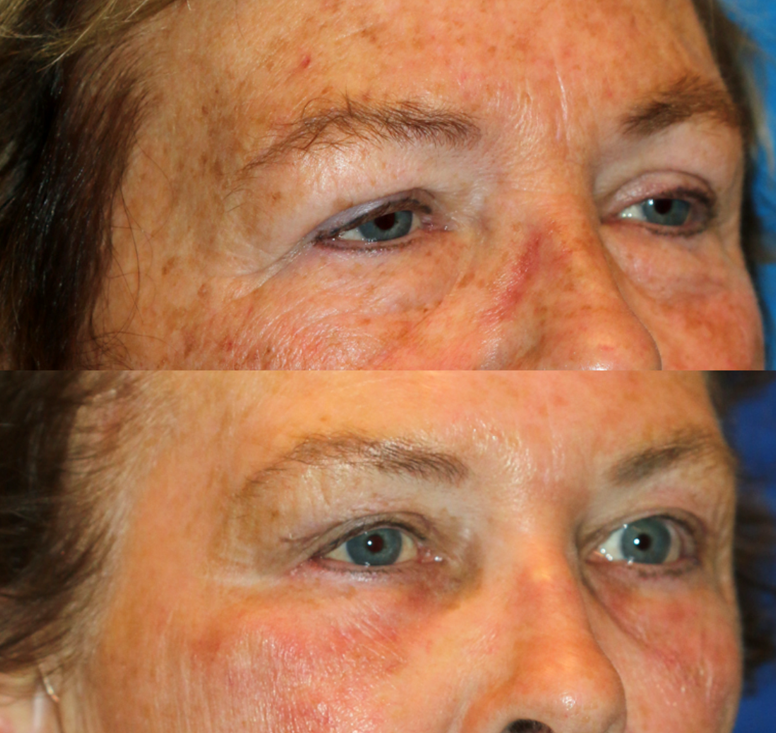
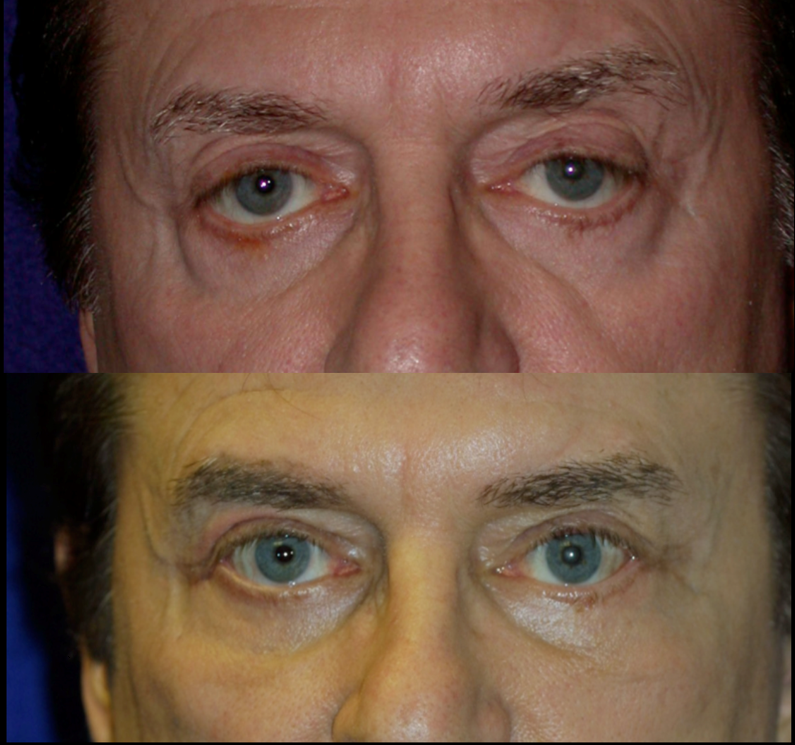
For excess skin and droopy eyelids, upper eyelid surgery is the top choice. It removes the skin and excess fat from the upper eyelid. This creates a smooth and contoured upper eye area. The surgeon places the incision in the eyelid’s natural crease. This leaves no visible scarring after surgery.
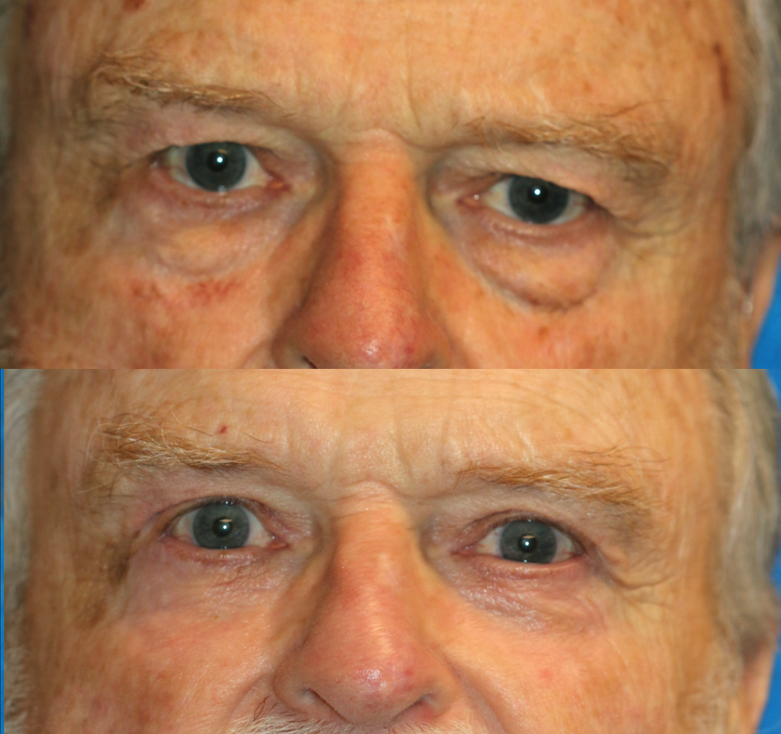
Ptosis Repair
For ptosis, ptosis repair surgery is the best treatment option. It tightens and reattaches the levator muscle in the upper eyelid. This is highly beneficial for patients who notice functional issues with their vision.
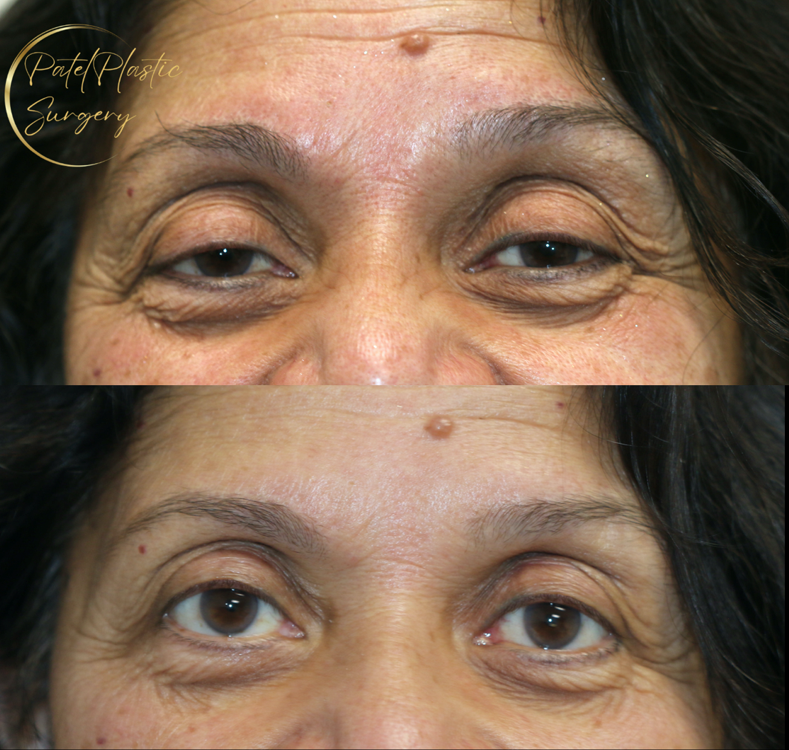
Combining Upper Blepharoplasty and Ptosis Repair
Some patients have both issues and need to combine procedures. In fact, many patients get both upper blepharoplasty and ptosis repair. This optimizes your results and addresses cosmetic and functional issues caused by eyelid changes.
Leading Plastic Surgery Center
Changes around the upper eyelids can change your facial aesthetic. If you want to address the look of your upper eyelids, contact the team at Patel Plastic Surgery today to schedule your consultation!
References
Blepharoptosis surgery in patients with myasthenia gravis. Litwin AS, Patel BCK, McNab AA. McCann JD, Leatherbarrow B, Malhotra R. Br J Ophthalmol. 2015;99:899-902
Ptosis Correction. Koka K, Patel BCK StatPearls [Internet]. Treasure Island (FL): StatPearls Publishing; 2026 Aug 1. PMID: 30969650
Congenital Blepharoptosis Surgery. McLeish W.M., Patel B.C.K., Anderson R.L.Mauriello J. (ed) Unfavorable Results of Eyelid and Lacrimal Surgery: Prevention and Management , Butterworth Heinemann, Oxford, 2000; 135-146.
Management of postblepharoplasty lower eyelid retraction with hard palate grafts and lateral tarsal strip. Patel B.C.K., Patipa M., Anderson R.L., McLeish W. Plast Reconstr Surg 1997;99:1251-1260.
Upper Blepharoplasty: advances, techniques and tips. Joos Z, Patel BCK.Journal of the Tamil Nadu Ophthalmic Association (JTNOA), 2017 55(2);; 961-971
Blepharoplasty. Kwitko GM, Patel BCK. StatPearls [Internet]. Treasure Island (FL): StatPearls Publishing;2025; PMID:29493921
Upper Eyelid Blepharoplasty. Patel BCK, Malhotra R. StatPearls [Internet]. Treasure Island (FL): StatPearls Publishing;2020 Jul 31. PMID: 30725763
Blepharoplasty: a systematic approach. Patel B.C.K., Anderson R.L. Naugle T.C. (ed)Diagnosis and Management of Oculoplastic and Orbital Disorders, Kugler Publications, Amsterdam/New York; 1996:59-78.
Levator aponeurosis surgery. Patel B.C.K., Anderson R.L. Naugle T.C. (ed)Diagnosis and Management of Oculoplastic and Orbital Disorders, Kugler Publications, Amsterdam/New York; 1996:13-28.
Endoscopic brow lifts uber alles. Patel BCK. Orbit. 2006 ;25(4):367-301.
Endoscopic eyebrow and forehead lifting. Patel B.C.K. Mauriello J. (ed) Unfavorable Results of Eyelid and Lacrimal Surgery: Prevention and Management , Butterworth Heinemann, Oxford, 2000; 90-98.
Update on the Endoscopic Brow Lift: Pearls and Nuances. Patel B.C.K. Guthof R, Katowitz J (eds) Essentials in Ophthalmology: Oculoplastics and Orbit 2005 163-180