Analysis of scars
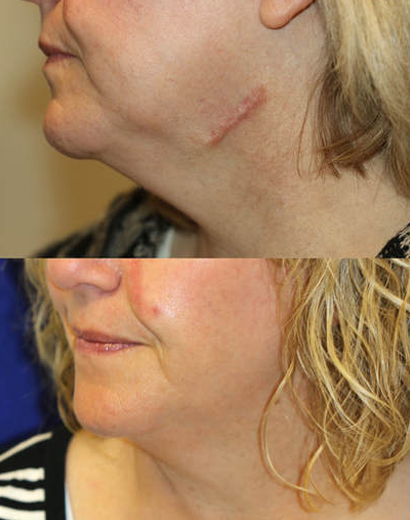
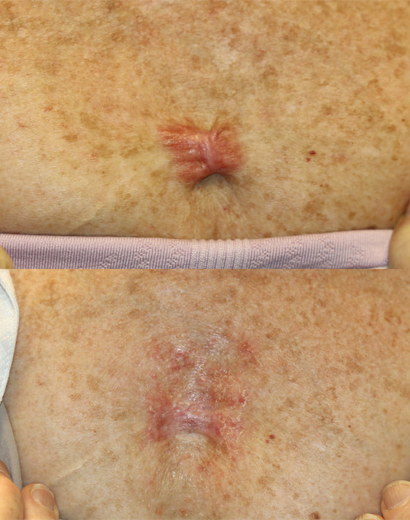
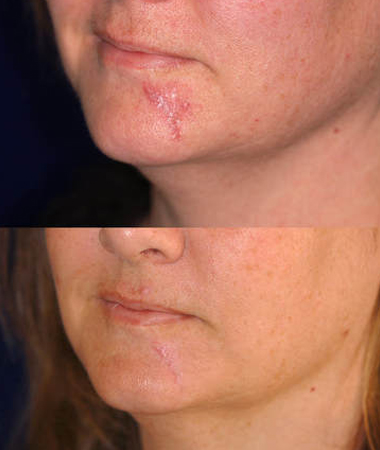
Scars result from any trauma to the face or the body: essentially, if the skin integrity is broken by an incision or an injury, a scar will result. Controlled scars are scars created by careful surgical incision placement in relaxed skin tension lines, to make the scars almost invisible. Uncontrolled scars are generally caused by injury or injudicious placement of surgical scars. Hypertrophic scars are scars that are raised, whilst keloids will spill over the edge from the line of the scar.
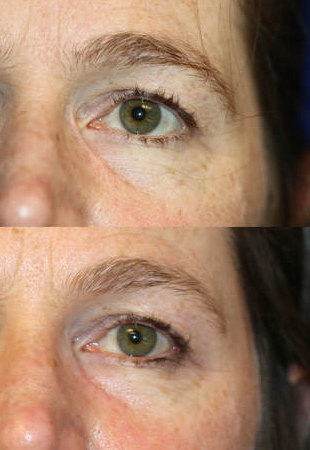
63 Yrs Old with Fat Droopy Eyes
Salt Lake City, UT
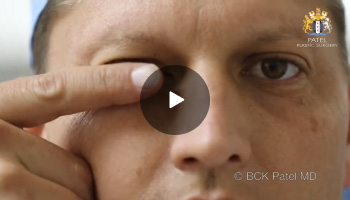
Well, the last time I had a picture taken I could hardly see my eyes because of the weight of heavy eyelid. Then I paid attention to how I was actually using my eyes and I really noticed when I was looking at anything especially the computer I was straining my forehead to see better. Since I have had it done I no longer have to lift the forehead and tilt my head to see. It is amazing! I love…
D. Rock ​
How does aging affect Scars?
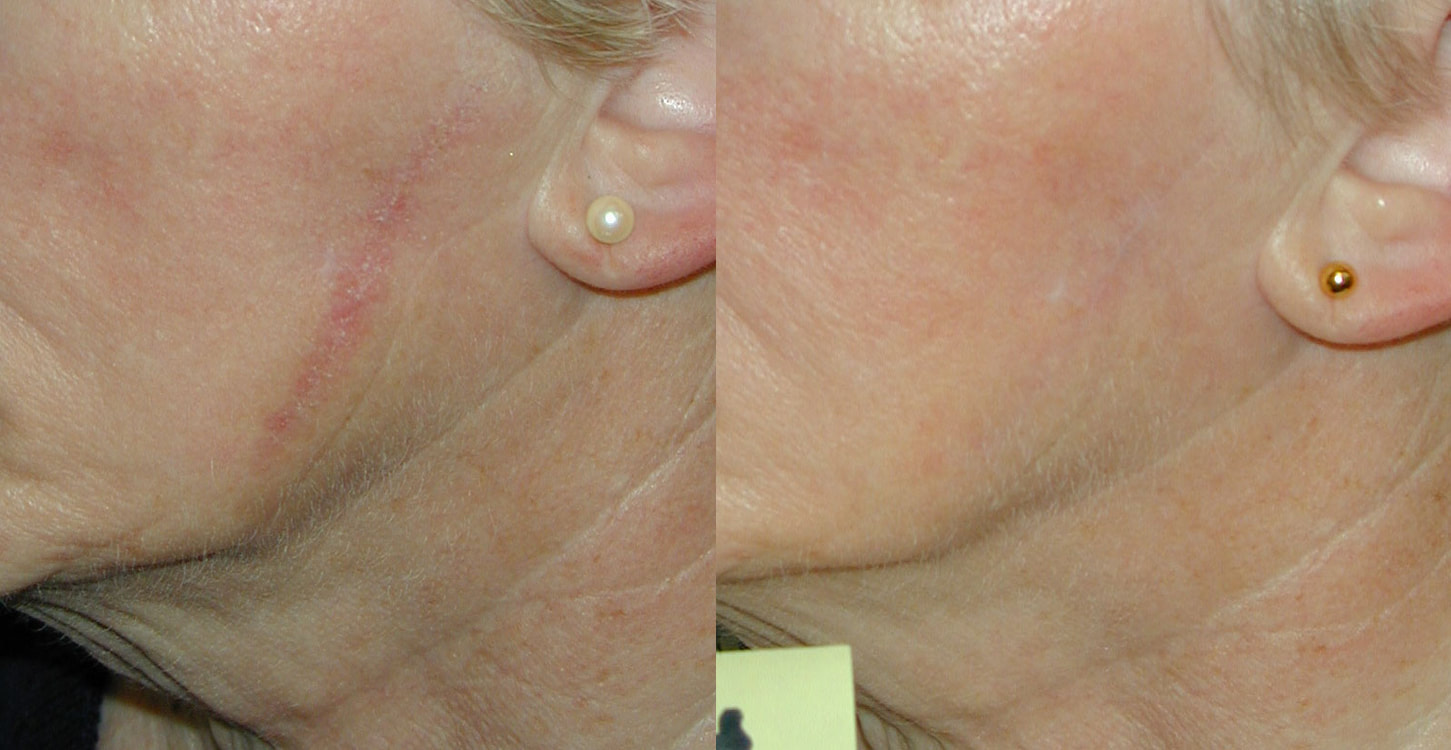
Scars may be from trauma or from surgical incisions. Sometimes, facial lines and wrinkles will resemble scars when they are deep or distorted by surrounding muscular action. As one ages, skin tends to accumulate around scars, making them more obvious. ​
Scar Formaton
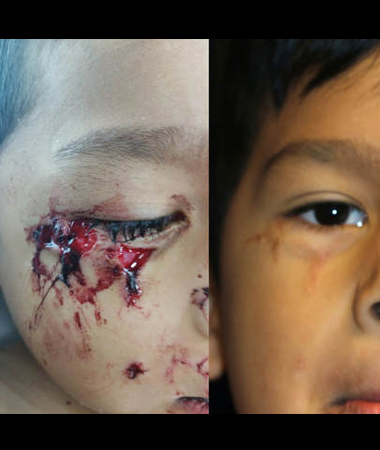
The smooth transition from one part of the face to another is interrupted by scars, resulting in drawing of attention when none is wanted! Scars caused by trauma tend to be irregular and often depressed, especially if not repaired carefully during the initial repair. Loss of tissue may also result in irregularities and depressions. Furthermore, some patients will develop hypertrophic scarring or, worse, keloids.
Minimising scar formation
Surgical scars can be placed carefully so as to make them almost invisible. However, it is important to remember that one cannot make an incision and make the scar invisible! Besides
careful placement, the way incisions are made, how the knife is held, what instruments are used, how skin is handled, how layered suturing is performed, what types of sutures are used, how the sutures are applied, how the tissues are handled, and what dressings and how the dressings are applied are all important factors in getting the best possible scars. Attention to physiology, cross-sectional anatomy, surface anatomy, relationships of structures, lines of animation, knowledge of relaxed skin tension lines, knowledge of the different types of skin, etc, are all important ​when handling and suturing skin.
As we are generally born without scars, a proper surgeon should pay great respect to all these factors and choose how and where incisions are made carefully. Attention to detail.
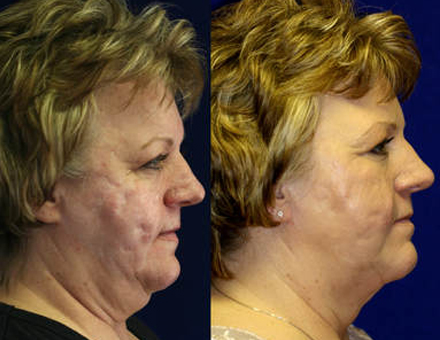
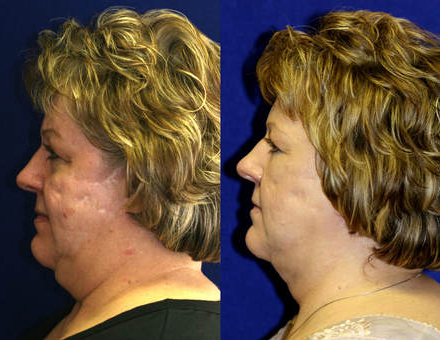
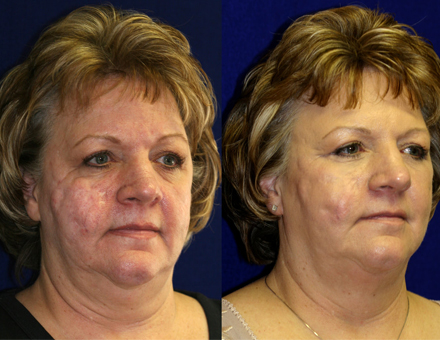
Acne Scars
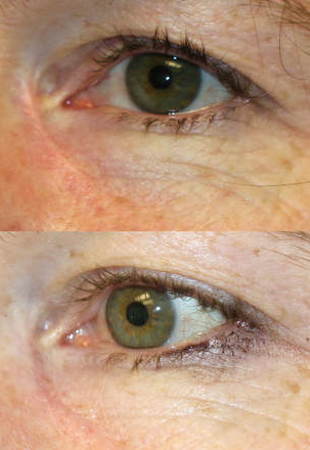
Medical canthal webbing
Unacceptable surgical scars are especially common in the complex medial canthal region which is a multi-contoured anatomical space with vertical and horizontal tissue planes meeting at angles and with complex underlying nerve and vascular anatomy. On top of that, one has the important eyelid, medial canthal, lacrimal and blink mechanisms and structures to consider. If surgical scars are not properly planned, webbing is inevitable and can be difficult to improve. However, with modern scar revision techniques, lasers and other treatments, one can get very reasonable improvement. But the best course is to try to avoid such problems in the first place!
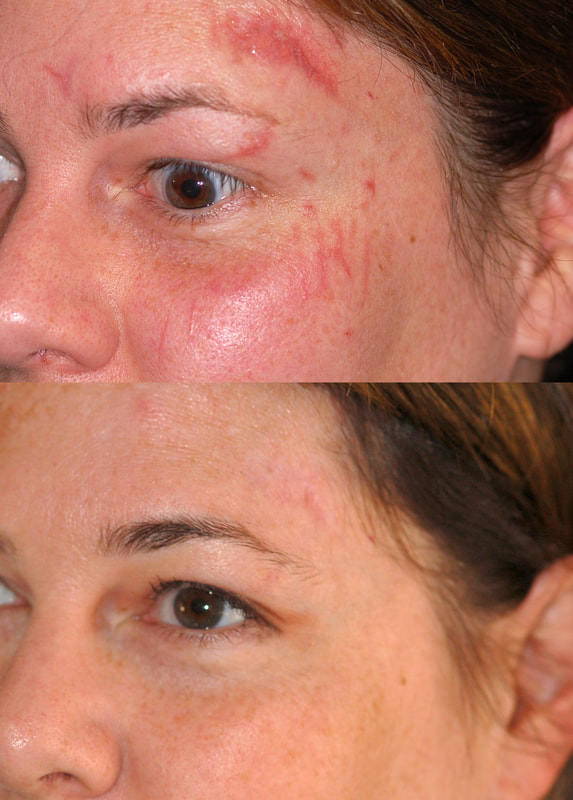
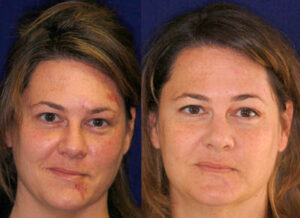
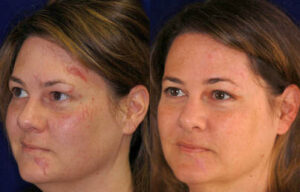
Traumatic Scars
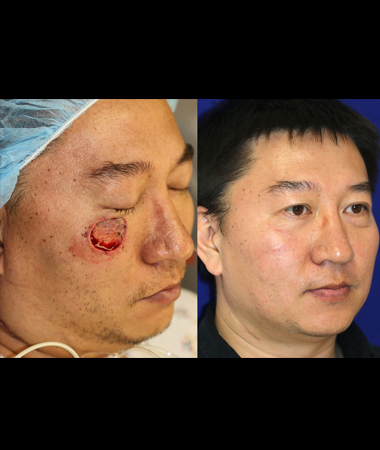
"Thank you for leaving me looking like a man! I feel refreshed"
Salt Lake City, UT
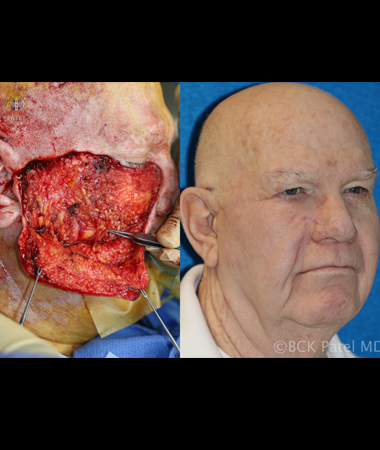
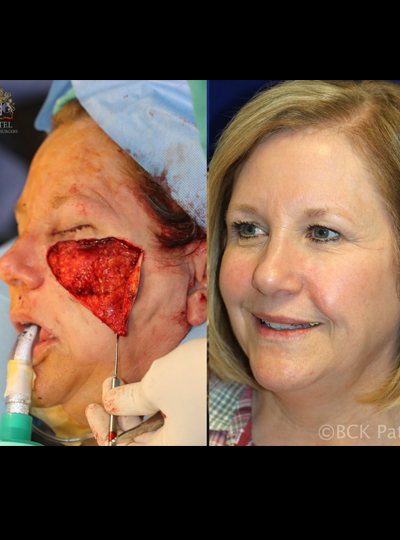
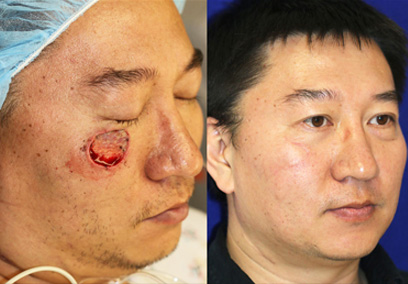
My large melanoma hole in the face fixed by Dr. Patel:Â the surgery took about 3 1/2 hours, so it was around 9:30 p.m. when I was finished. Dr. Patel was able to put me back together without a skin graft! He did an amazing job and I couldn’t be more happy. . .well I guess I would be more happy if I didn’t ever have Melanoma:)! But since I did, I know that I was truly blessed to have had Dr. Patel be my doctor! I know that I was truly looked over and taken care of and that things worked out just the way it was supposed to. Dr. Patel has stayed with me every step of they way and has been so compassionate and tender with me. He knew I was worried about what I was going to look like and he has constantly reassured me with every appointment and all along my journey that everything was ok and that I was going to look good again. I love this man for taking care of me and helping me through a very difficult time! I am only 7 months out from my surgery and I am still healing, but I am so pleased with the results, and I know it is only going to continue to get better!
Oh I forgot to mention . . . Dr. Patel gave up opera tickets the night of my surgery just to take care of me! He is the best doctor I could have ever had!
Thank you Dr. Patel from the bottom of my heart for everything!!!
D. Ham